Blog

  • 25 Stunning Small Hallway Decor Ideas To Transform Your Space

    25 Stunning Small Hallway Decor Ideas To Transform Your Space

    I used to ignore my hallway until I realized it sets the tone for the whole home. Fixing it didn’t take a full remodel — just choices that actually live well.

    I’ll show the small swaps I kept, the things I returned, and what finally felt right. Honest, easy, and budget-friendly.

    You’ll get 25 real ideas you can try this weekend, with what to buy and what to skip.

    25 Stunning Small Hallway Decor Ideas To Transform Your Space

    These 25 ideas are practical and lived-in — not showroom fluff. Each entry has a short personal note, a clear tip, and linked items so you know what to buy. These are things I’ve done in narrow spaces, tight budgets, and older homes.

    1. Layered Neutral Textiles That Make a Room Feel Finished

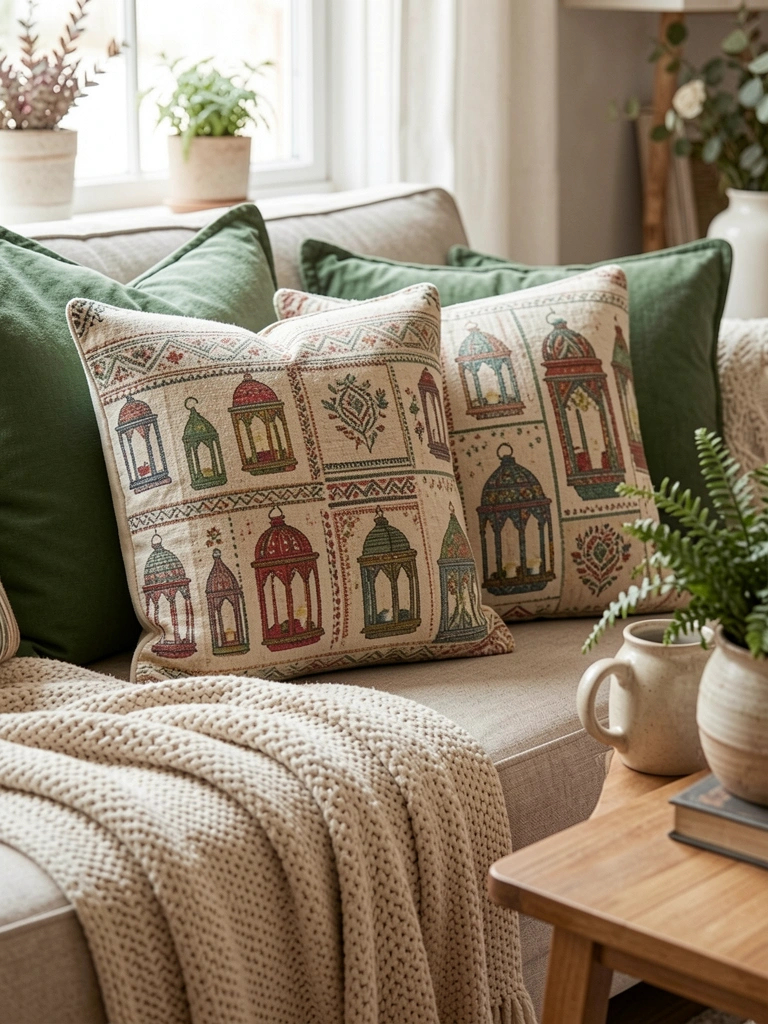
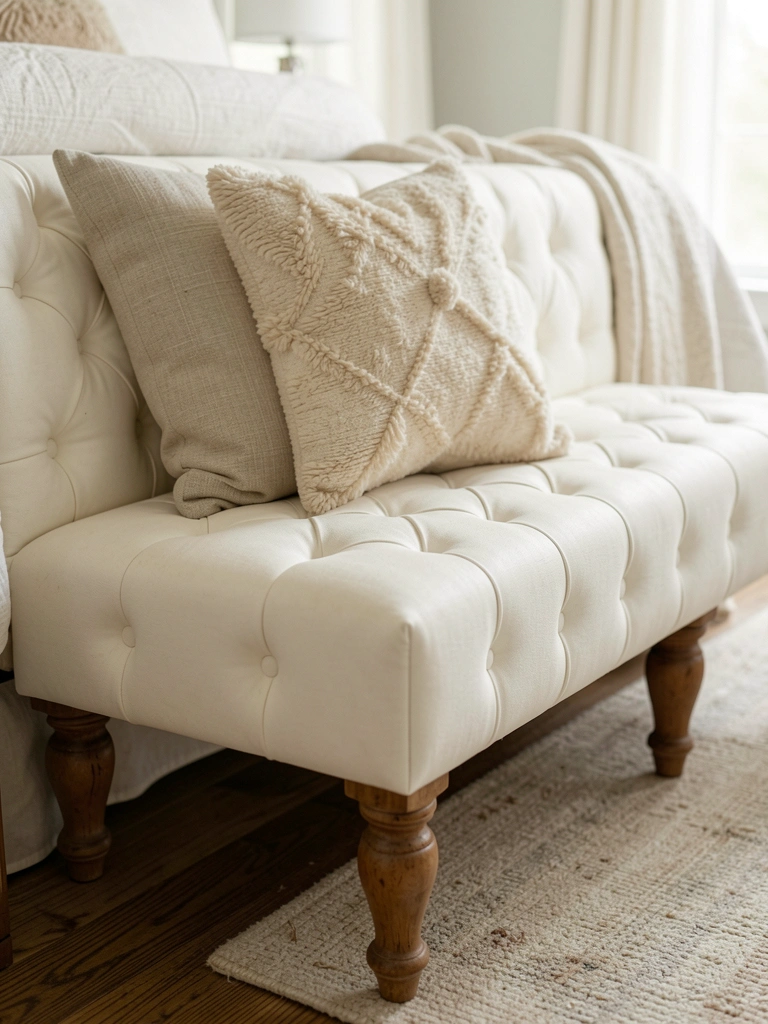
    I added a linen bench cushion and a chunky throw to our hallway bench and it finally felt like a space, not a transit zone. The layers softened echoes and hid scuffs.

    I once bought bright patterns that fought with the light. Neutral layers let the wood and plants breathe.

    Look for mixed textures — linen, chunky knit, small cotton rug — to keep it interesting without clutter.

    What I learned: keep one patterned piece and the rest calm. It reads intentional, not busy.

    What You’ll Need for This Look

    2. Slim Console Table With a Shallow Drawer for Mail

    I swapped a bulky hall table for a 10–12" deep console with one drawer. It still looks like furniture but fits in tight walkways.

    I initially bought one with ugly hardware; returned it. The right scale and a single drawer for mail made the place calmer.

    Use the tabletop for a lamp and a catch-all tray. Keep the drawer for things you need but don’t want visible.

    Tip: measure twice. Even an inch or two makes a difference when people brush past.

    What You’ll Need for This Look

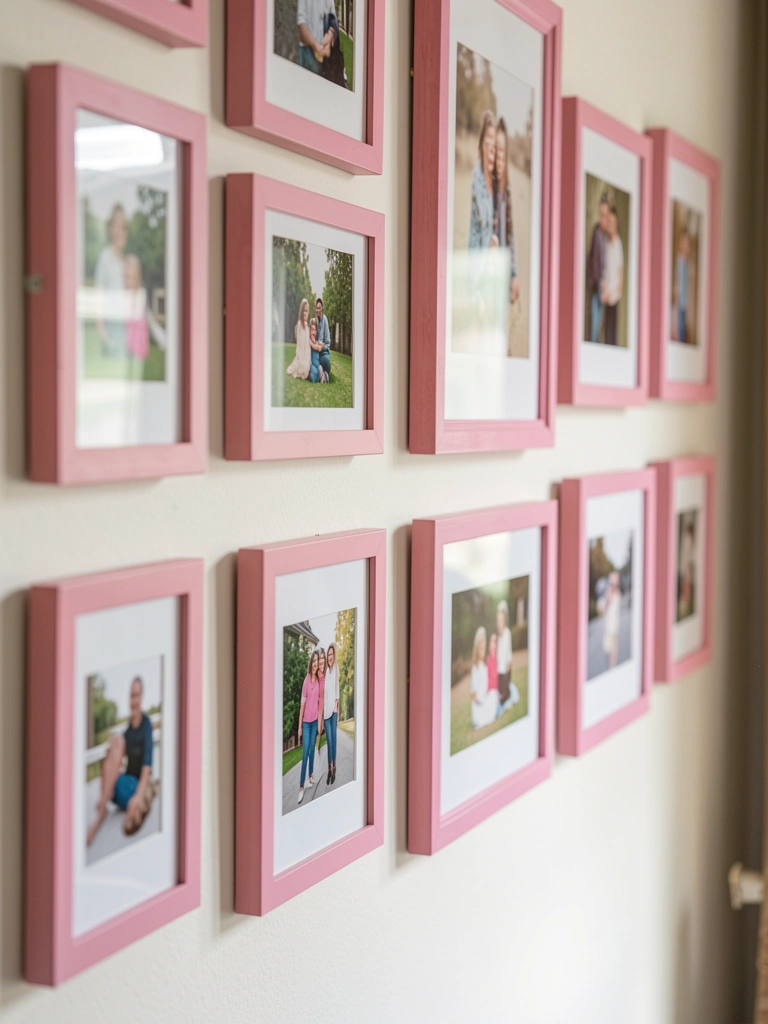
    3. Gallery Wall with Mixed Frames and One Focal Piece

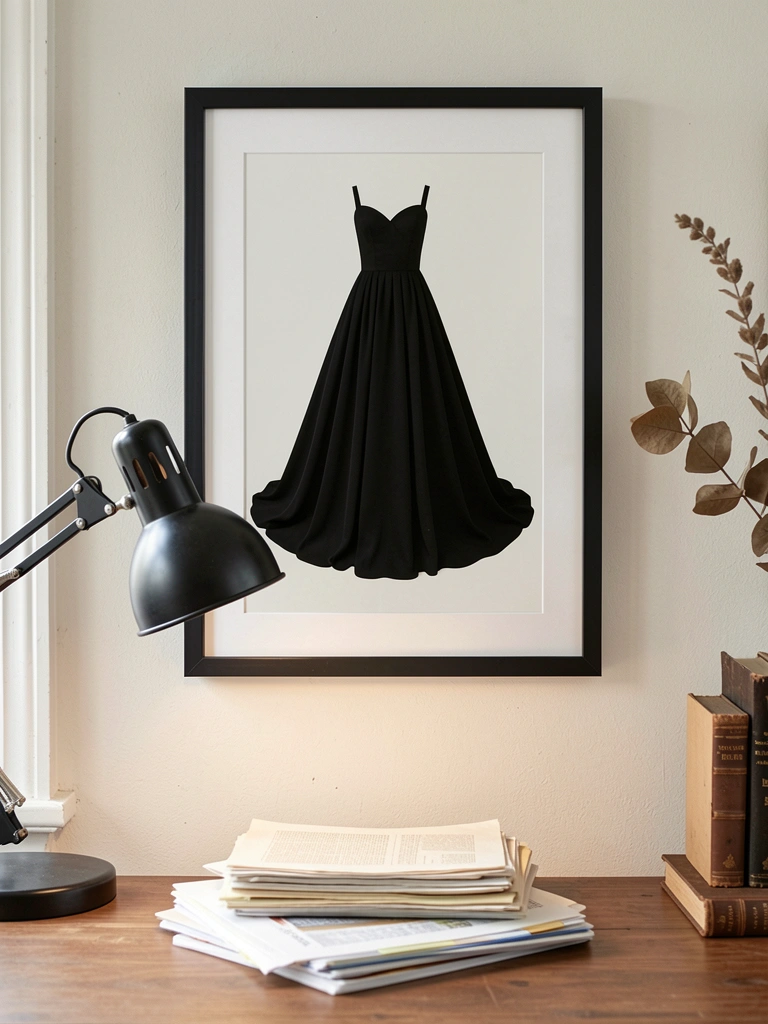
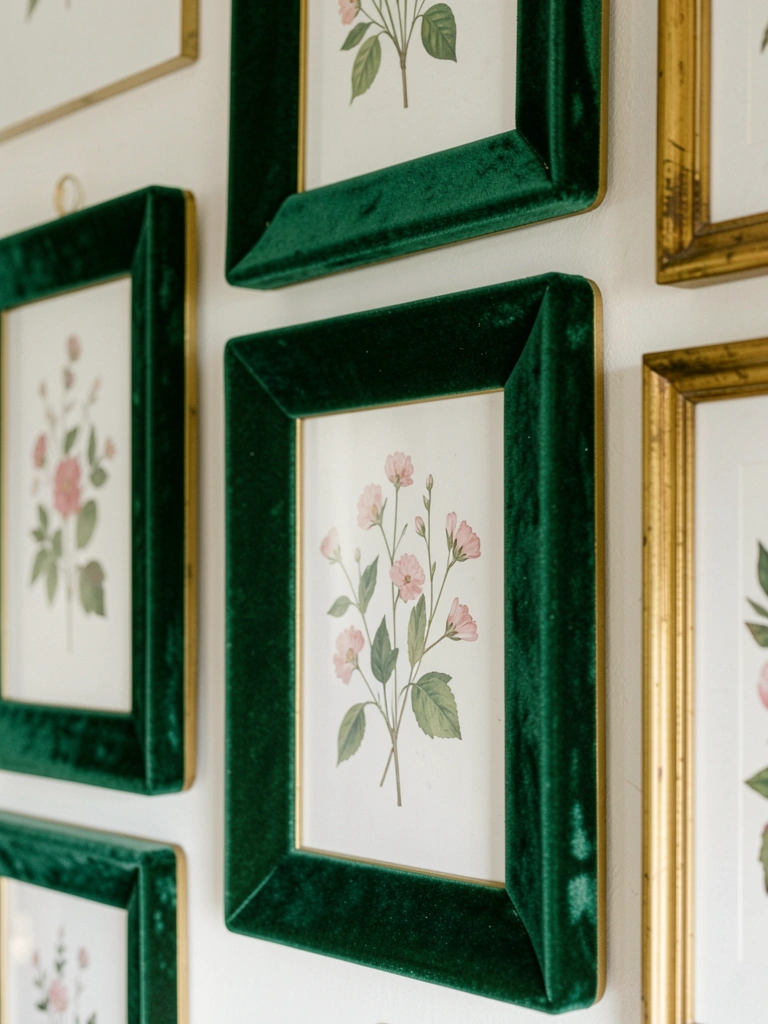
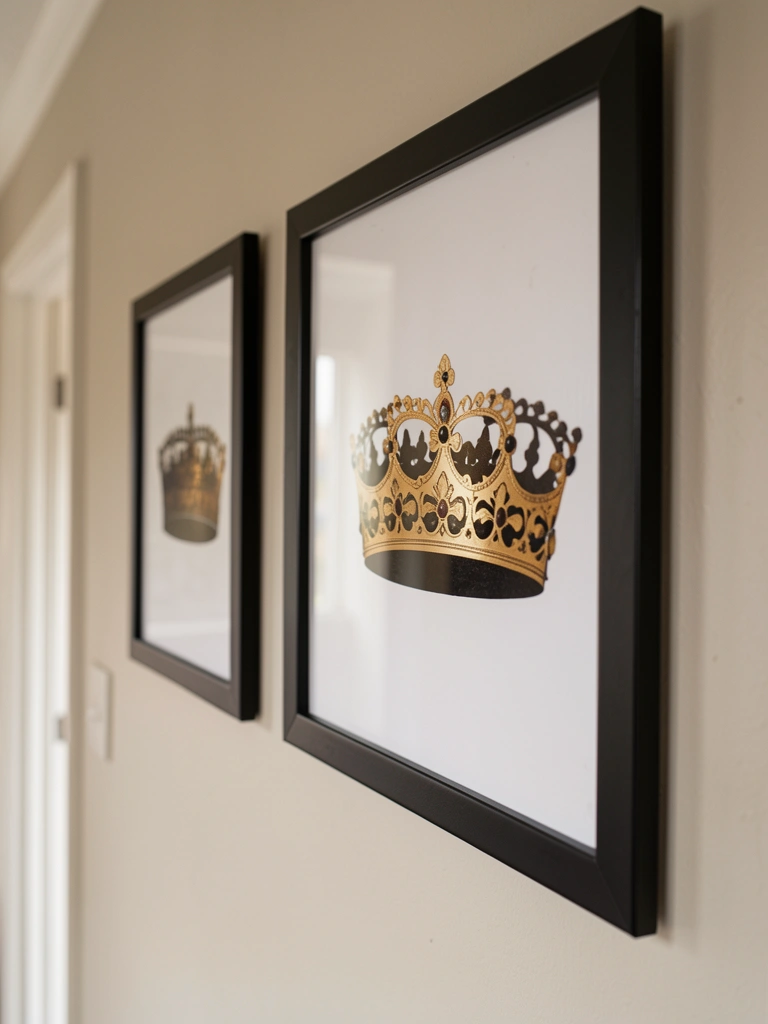
    I created a gallery with a single large print as the anchor. The smaller frames around it made the wall read curated, not chaotic.

    My early attempt had mismatched mats and it looked messy. Replacing a few frames and unifying the color fixed it.

    Map the layout on the floor first. Use consistent frame finishes or a unifying color in the artwork to tie it together.

    Small touch: swap one photo seasonally to keep the wall feeling fresh.

    What You’ll Need for This Look

    4. Runner Rug to Define Path and Add Warmth

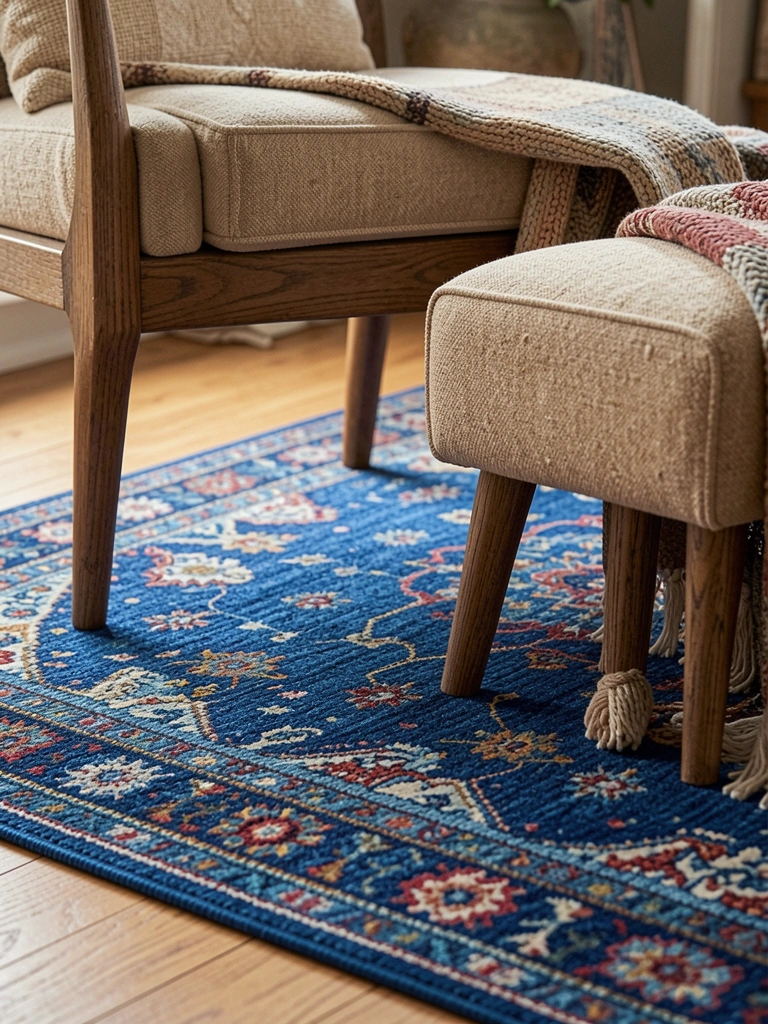
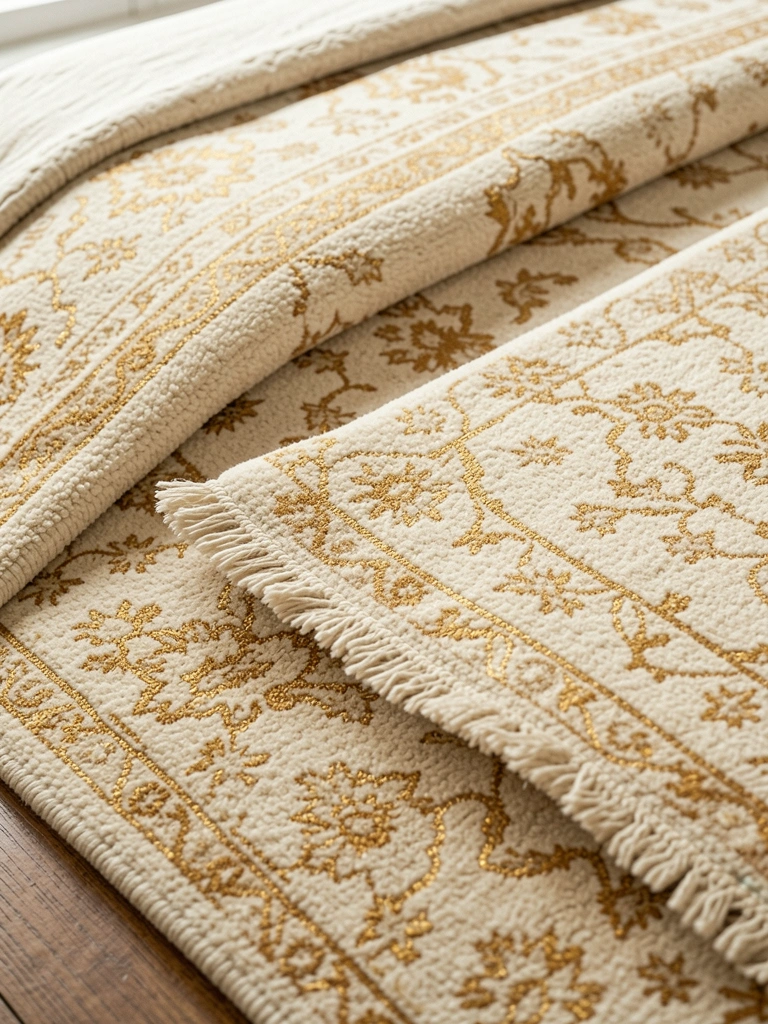
    A runner shifted the whole feel of our hallway from cold to cozy. It also cut down on footstep noise and scuffs on old wood floors.

    I bought one too thin the first time. It slid and looked sloppy. A non-slip pad and slightly thicker rug fixed that.

    Choose a length that leaves a 2–3" border of floor on each side. Low pile works best for doors and vacuuming.

    If you’re unsure about pattern, pick muted colors that hide traffic wear.

    What You’ll Need for This Look

    5. Statement Mirror to Bounce Light and Widen Space

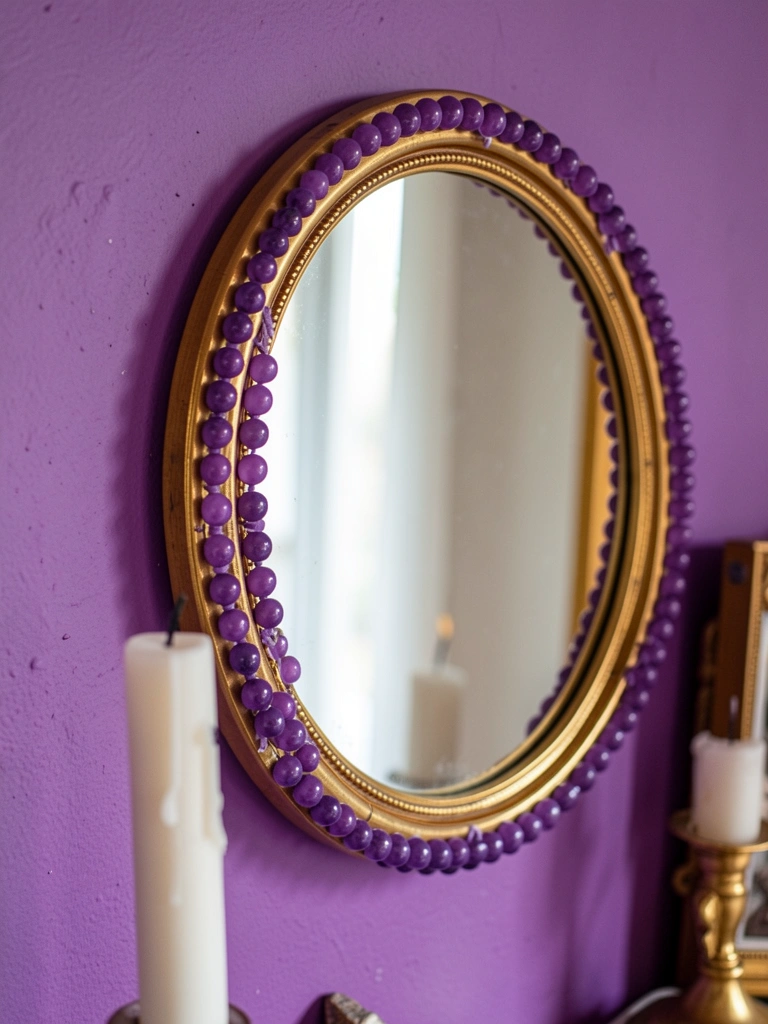
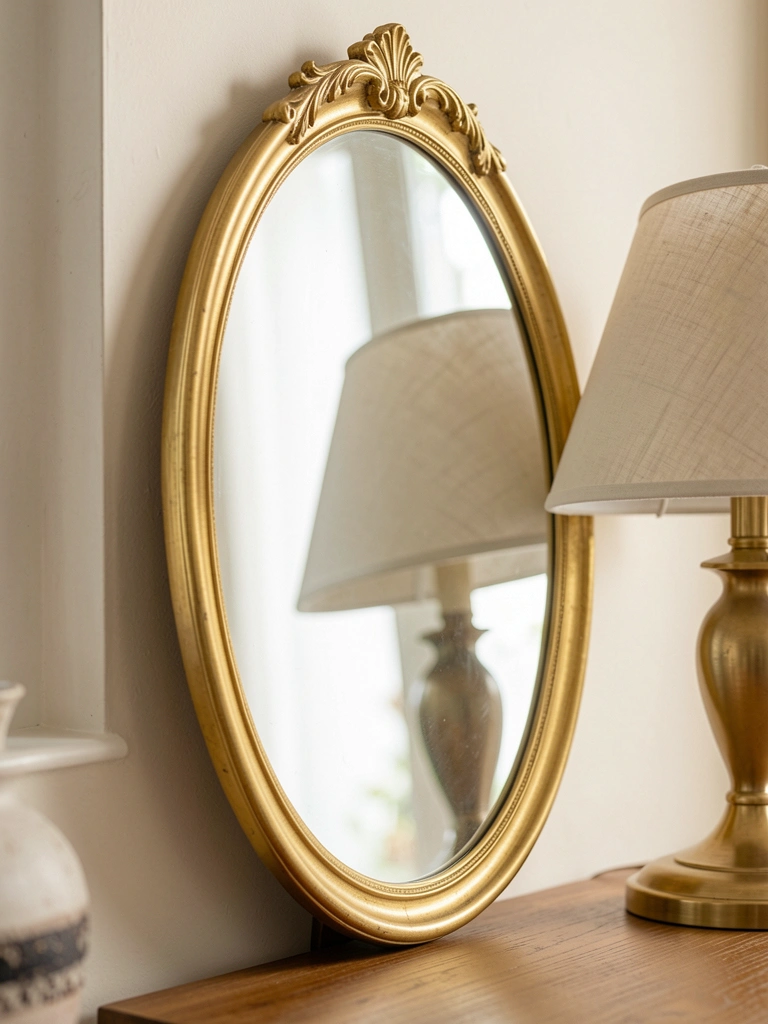
    A tall mirror changed the hallway’s proportions overnight. It doubled the light and made the space feel intentional instead of tight.

    I once hung a mirror too high; it reflected the ceiling and felt odd. Lowering it so eye level hits the center fixed that.

    Lean a framed mirror on a narrow console if hanging isn’t allowed. Mirrors also hide small flaws when placed thoughtfully.

    Tip: match the mirror frame to other metals in the space for cohesion.

    What You’ll Need for This Look

    6. Wall-Mounted Floating Shelves Stacked for Plants and Books

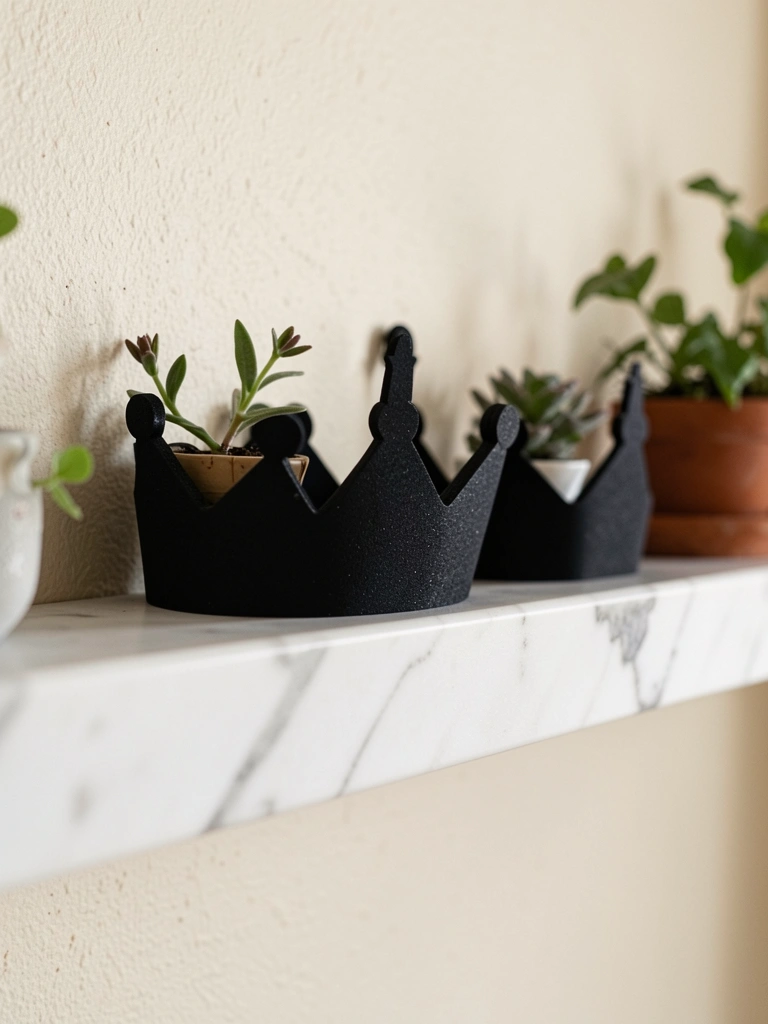
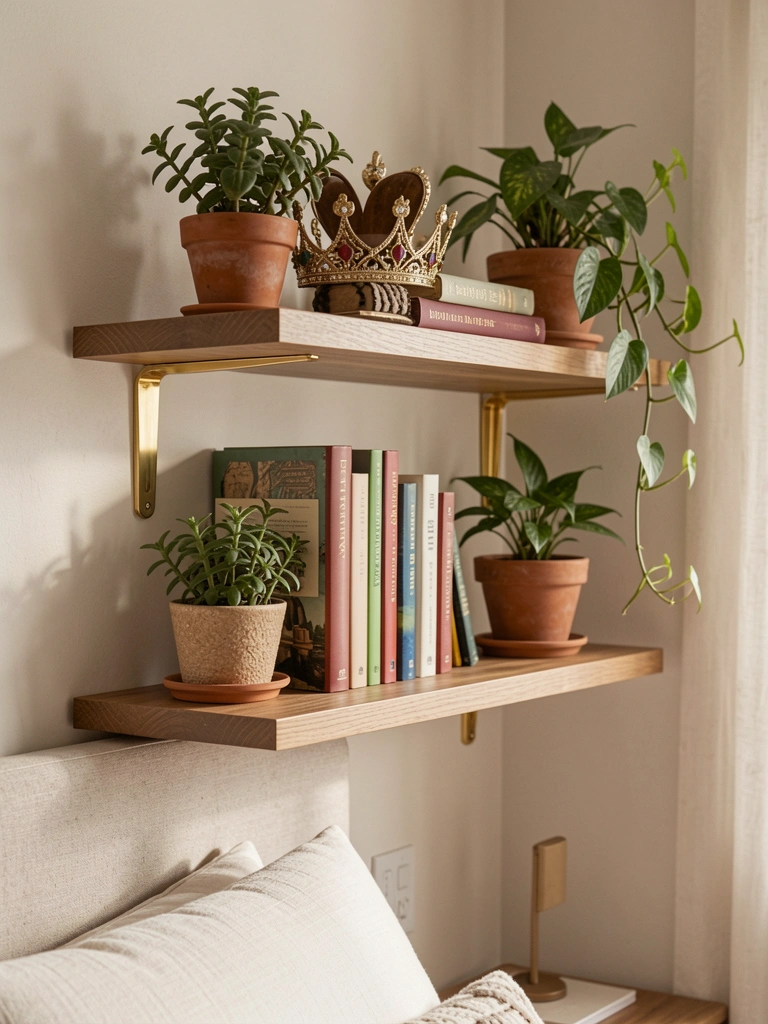
    Floating shelves are my go-to for narrow walls. They give you display space without the bulk of furniture.

    I once overloaded the shelves and they sagged. Spreading weight and using solid brackets solved that issue.

    Use shallow shelves (8–10") and alternate plants with small stacks of books. Keep lower shelves clear of things that block the walking path.

    If you rent, removable wall anchors work well and won’t destroy drywall.

    What You’ll Need for This Look

    7. Built-In Bench With Hidden Storage

    We built a shallow bench under existing hooks and gained so much hidden storage for shoes and kids’ backpacks.

    I underestimated the lid hinges at first; swapped to soft-close and it felt solid and grown-up.

    Keep the bench depth shallow so doors still open and people can pass comfortably. A cushion makes it somewhere you want to sit, not just drop stuff.

    If you can’t build, a storage bench with similar proportions will work well.

    What You’ll Need for This Look

    8. Vertical Coat Rack With Hooks and a Small Shelf

    A vertical rack kept coats off the floor and saved space compared to a bulky hall tree. The top shelf holds sunglasses and a plant.

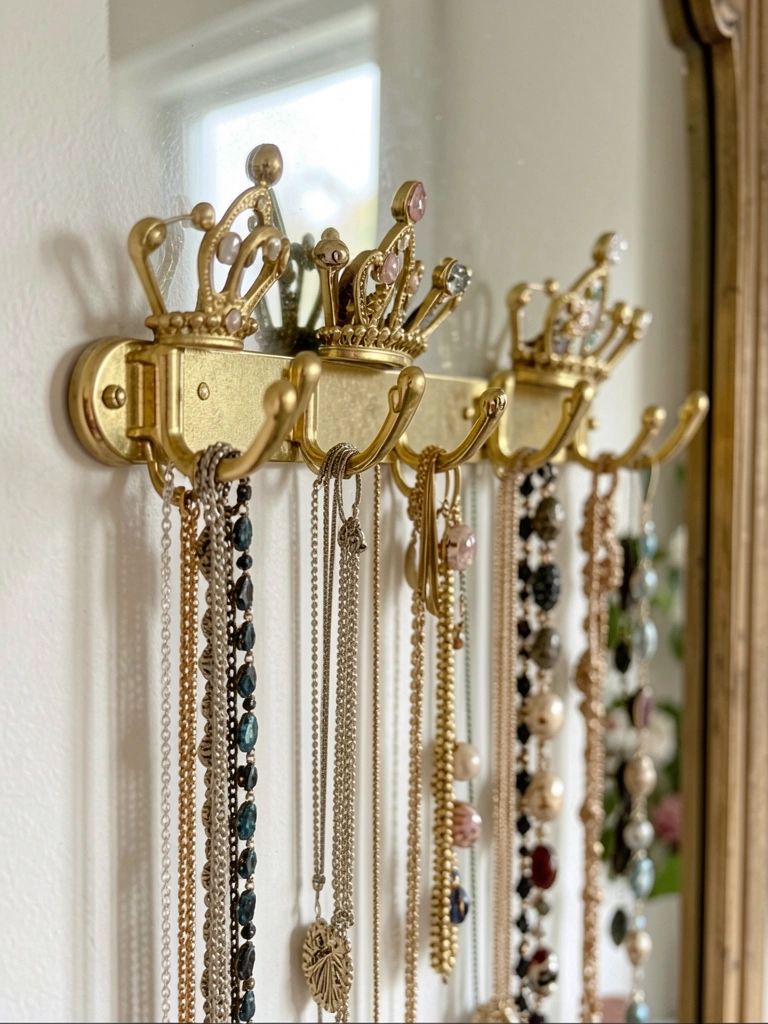
    My first hooks were too flimsy and bent under bags. I swapped to solid brass hooks and they lasted.

    Install hooks at two heights for kids and adults. Keep the lower hooks clear for everyday use and the upper shelf for seasonal items.

    A slim vertical piece can act like wall art and function at once.

    What You’ll Need for This Look

    9. Accent Wall in Soft Matte Paint

    Painting one long wall in a soft matte color anchored the hallway and stopped the endless white sameness.

    I painted too dark at first and felt boxed in. Lighter matte tones keep depth without shrinking the space.

    Test large swatches on the wall at different times of day. Matte hides imperfections but can show scuffs — choose a durable matte finish.

    A muted green or warm greige feels modern and lived-in without shouting.

    What You’ll Need for This Look

    10. Wallpaper on Half Wall (Wainscot Wallpaper)

    Papering the lower half added pattern without overwhelming the narrow space. It reads intentional and trims scuffs.

    I tried a bold wallpaper full height and it made the hallway feel like a tunnel. Half-wall keeps visual weight low and cozy.

    Use washable paper or vinyl for high-traffic areas. A simple chair rail finishes the look and masks edges.

    If you rent, removable peel-and-stick papers are life-savers.

    What You’ll Need for This Look

    11. Sconces at Eye Level for Warm, Even Light

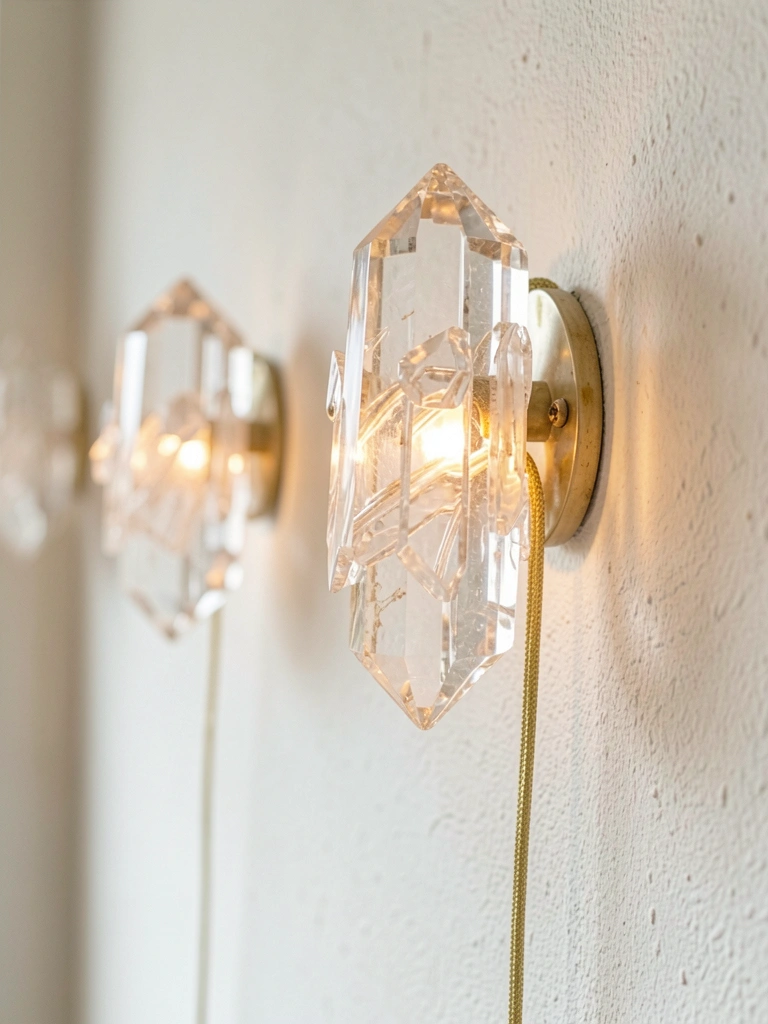
    Replacing a single overhead light with wall sconces made the hallway feel warmer and less cavernous.

    I once installed them too high; the light missed faces. Eye-level placement gives soft, flattering illumination.

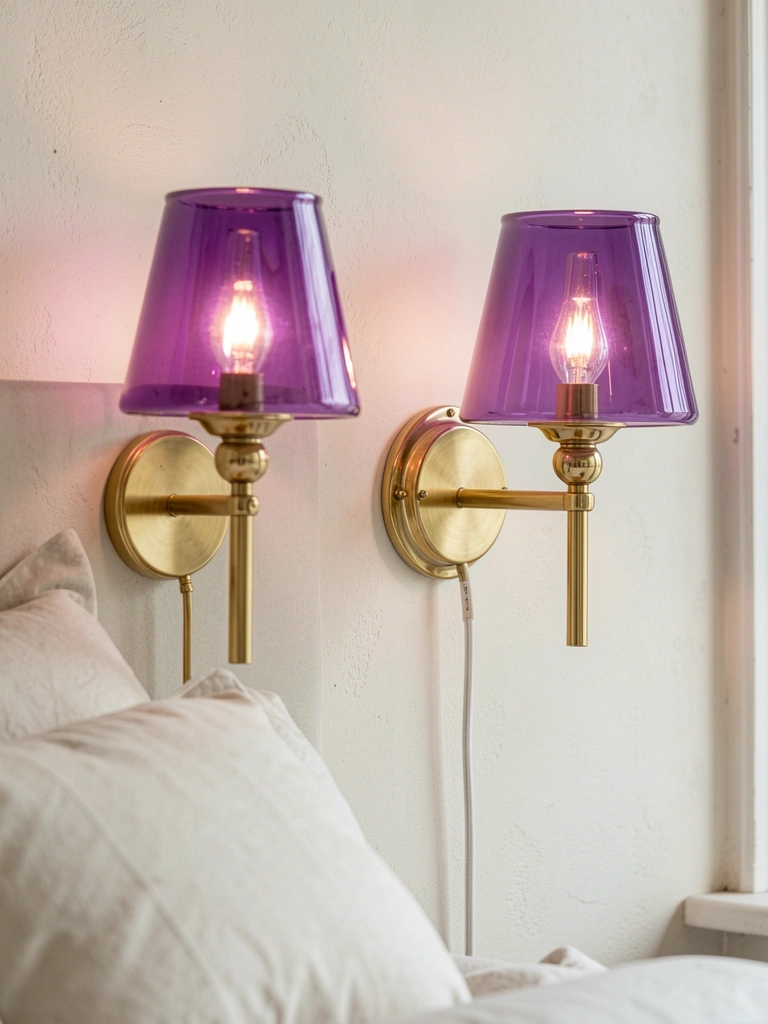
    Pick sconces that throw light both up and down for even spread. If wiring is tricky, plug-in sconces are a great workaround.
    Soft bulbs and dimmers make the space usable at night without glare.

    What You’ll Need for This Look

    12. Layered Lighting: Overhead + Plug-in Wall Lamps

    I learned layered lighting the hard way — one overhead made the hallway flat. Adding small plug-in wall lamps changed the mood instantly.

    I first bought lights that didn’t match color temperature; the space felt off. Consistent warm LEDs made everything cozy.

    Aim for three light sources: overhead for function, sconces for ambiance, and a table lamp for focus. Use timers for evening ease.

    This setup feels both flexible and intentional.

    What You’ll Need for This Look

    13. Narrow Shoe Cabinet That Looks Like Furniture

    A narrow shoe cabinet replaced a dumping pile and looked like proper furniture, not storage. It keeps everything tucked away and keeps the floor clear.

    My first cabinet was too shallow and shoes didn’t fit. I measured before replacing and that saved multiple returns.

    Pick a piece with a flat top for a lamp and a tray. Closed storage always looks cleaner than open shelves in entry spaces.

    Keep one top tray for daily items and the rest tucked away.

    What You’ll Need for This Look

    14. Greenery: Tall Slim Plants and Hanging Pots

    Plants made the hallway feel alive instead of decorative. A tall narrow fiddle leaf or a snake plant fits tight corners well.

    I killed a few plants by overwatering at first. Choosing low-maintenance varieties was the real win.

    Place taller plants near light sources and use hanging pots to add vertical interest without taking floor space. Rotate them occasionally for even growth.

    Plants soften edges and add color without clutter.

    What You’ll Need for This Look

    15. Decorative Baskets for Umbrellas and Slippers

    Woven baskets are the easiest way to cleanly stash umbrellas, scarves, and slippers. They feel intentional and hide the mess.

    I tried baskets that were too small and everything spilled out. A couple of larger baskets is better than many tiny ones.

    Place one basket near the door for umbrellas and another under the bench for slippers. Labeling is optional but helps in busy households.

    Natural fibers add warmth and can sit right on a runner.

    What You’ll Need for This Look

    16. Chalkboard/Message Wall for Family Notes

    We added a slim chalkboard for quick lists and reminders. It became the unofficial family command center.

    I tried a painted panel and the chalk dust annoyed me. A framed chalkboard wiped clean better and looked neater.

    A narrow board fits between doors or under hooks. Use chalk pens for cleaner writing and less dust. Keep an eraser nearby.

    It’s practical and adds personality without taking up floor space.

    What You’ll Need for This Look

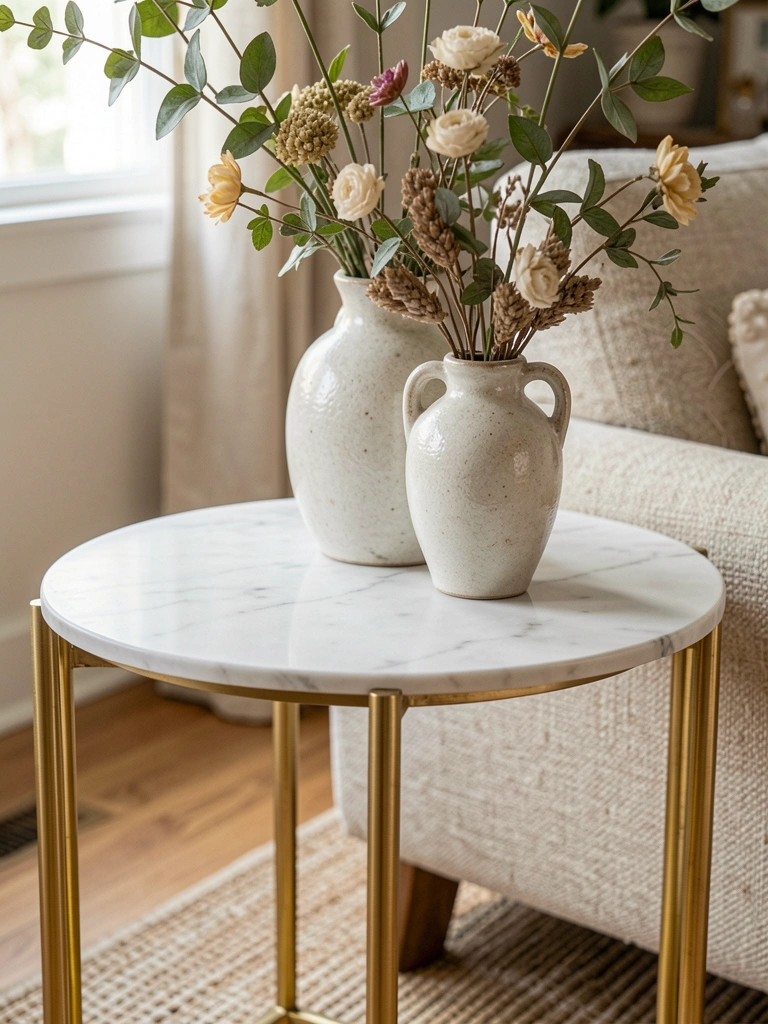
    17. Small Round Table With Decorative Tray

    A petite round table near the door is both pretty and practical. It gives a place for keys without blocking the flow.

    I once used a square table and it stuck into the walk path. The round edge feels friendlier and safer in tight spots.

    Pick a small diameter (18–22") and top it with a tray to corral small items. A single vase or a short stack of books keeps it uncluttered.

    This adds a homey pause in an otherwise functional corridor.

    What You’ll Need for This Look

    18. Architectural Molding or Simple Picture Rails

    Adding a picture rail or modest molding brought proportion and detail to a plain hallway. It made the space feel considered without big work.

    My first molding was too ornate and felt out of place. Simple, clean rails matched the rest of the house better.

    Rails let you swap art easily and create a layered wall look. Paint them the same color as the trim for a classic appearance.

    It’s an inexpensive way to add character without changing the footprint.

    What You’ll Need for This Look

    19. Smart Home Switch Plate and Hidden Cables

    I swapped old switch plates for a slim smart plate and hid an ugly cable with a small cove. It made the hallway look cleaner and more modern.

    I once left visible cables and it ruined the neat lines. Running them behind trim or using cable covers helped immensely.

    Smart switches let you set hall lights on timers so you don’t fumble in the dark. Choose a plate color that disappears into the wall.

    Small details like this keep the space feeling calm.

    What You’ll Need for This Look

    20. Entryway Drop Zone: Tray, Key Bowl, Catch-All

    Designating a tiny drop zone prevented everything from accumulating on the bench. A tray and a key bowl keep things contained.

    I used an empty tabletop before and it became a jumble. Once I intentionally corralled items, it stayed tidy.

    Choose shallow trays so nothing crowds the walkway. Empty the tray weekly and your hallway stays approachable.

    Function plus a small decorative object makes it feel thoughtful.

    What You’ll Need for This Look

    21. Minimalist Pegboard Wall for Seasonal Swaps

    A slim pegboard gives flexibility for coats, hats, and seasonal swaps. It’s changeable without new holes each season.

    I installed fixed shelves before and regretted it. Pegboards let you move hooks to suit changing needs.

    Use a neutral pegboard to double as wall texture. Add a small shelf for mail and a hook for keys.

    It’s a practical system that still reads clean.

    What You’ll Need for This Look

    22. Vintage Finds: A Small Antique Mirror or Table

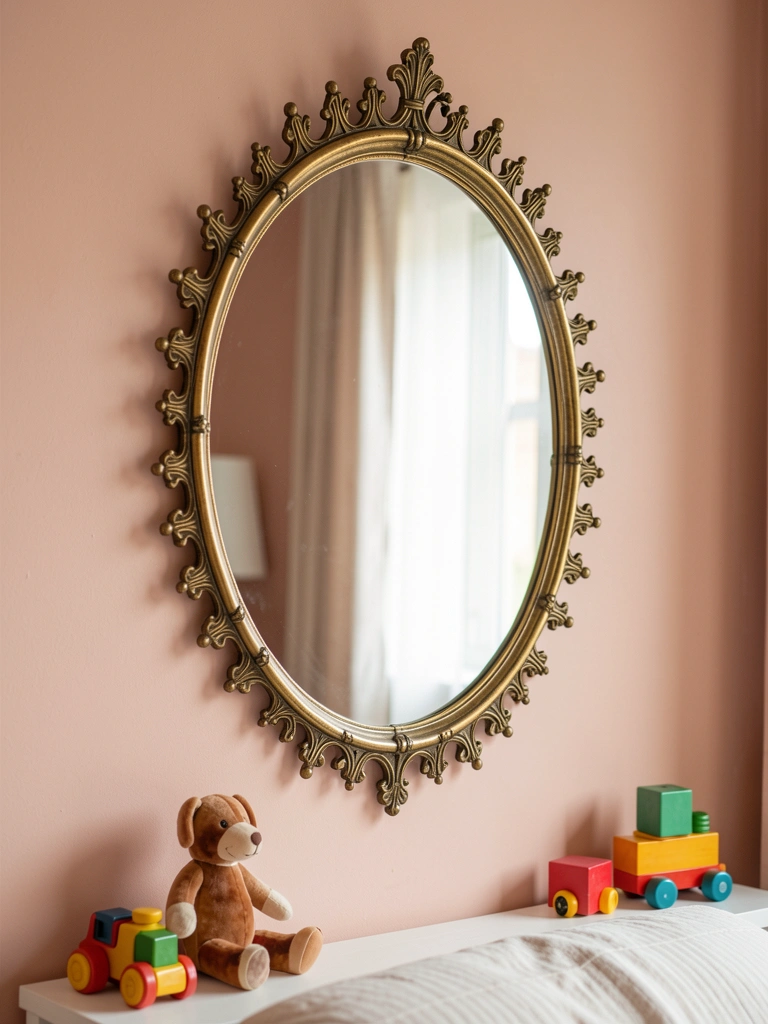
    Adding one vintage piece — a small mirror or table — makes the hallway feel collected instead of staged.

    I once bought a “vintage” piece that was actually damaged. Look for sturdy wear, not rot.

    Shop local thrift shops or flea markets and bring measurements. A small antique mirror can give personality with minimal investment.

    Pair vintage with modern textiles to keep the look fresh.

    What You’ll Need for This Look

    23. Textured Wall Panels or Peel-and-Stick Panels

    Textured panels add depth without color drama. We used them on one wall to disguise uneven drywall and it looked deliberate.

    I tried heavy panels once and they felt too much. Thin, subtle textures give the right amount of interest.

    Peel-and-stick panels are renter-friendly. Paint them the same color as the wall for a built-in look.

    Texture reads sophisticated and holds up well to daily life.

    What You’ll Need for This Look

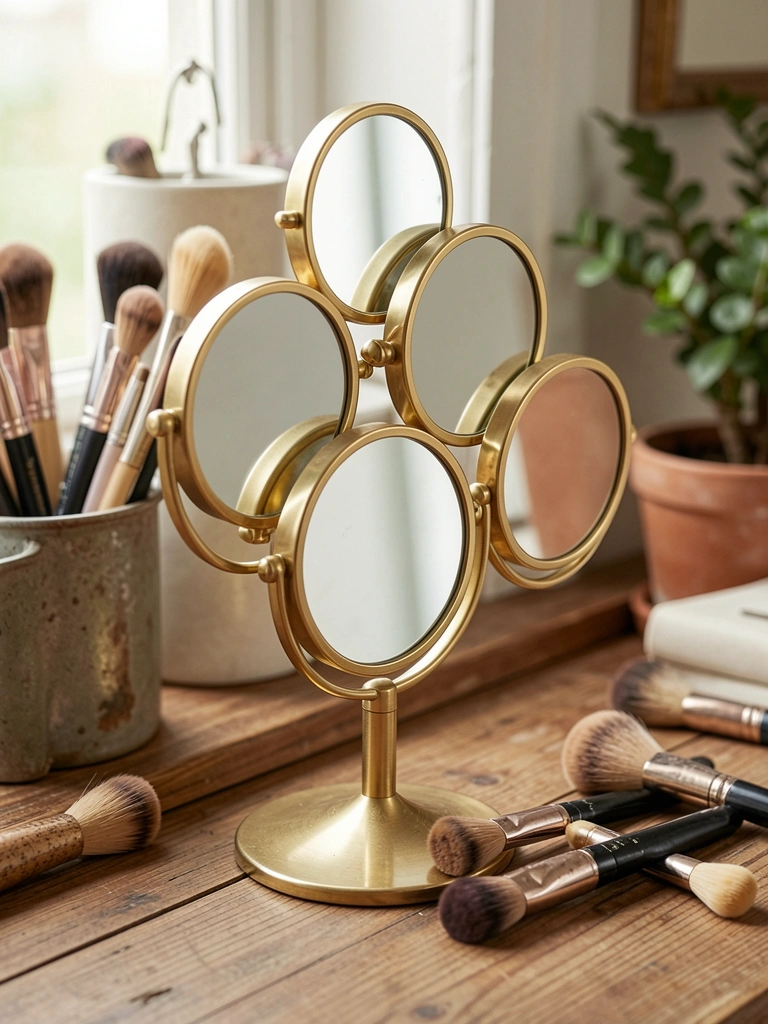
    24. Layered Mirrors: Small Cluster to Expand Space

    Instead of one big mirror, I grouped three small mirrors at different heights. It felt artful and made the space visually wider.

    My first cluster had mismatched scales and looked random. Choosing similar sizes with varied frames unified the grouping.

    Cluster mirrors around a focal point and keep spacing tight. This trick plays with depth without the commitment of a large piece.

    It’s playful and practical in narrow spots.

    What You’ll Need for This Look

    25. Personal Gallery Shelf With Rotating Finds

    A slim picture ledge became my rotating gallery. I swap prints, postcards, and small finds seasonally and it keeps the hallway fresh.

    I used nails before and regretted constant holes. A shelf needs no nails every time you change something.

    Keep items low and shallow so they don’t protrude into the walk path. Small objects mixed with art make it feel personal and lived-in.

    Rotate one item at a time — tiny changes go a long way.

    What You’ll Need for This Look

    Final Thoughts

    You don’t need to do all 25 ideas. Pick one or two that match your hallway’s needs and budget.

    Small changes — a light swap, a runner, a mirror — add up and make the space feel like part of your home. Keep what works, return what doesn’t, and enjoy the places you pass every day.

  • 28 Genius Narrow Hallway Storage Solutions To Maximize Space

    28 Genius Narrow Hallway Storage Solutions To Maximize Space

    I remember the day I admitted my hallway was a problem. Thin, dark, and always cluttered—every shoe pile felt like a decision I was avoiding.

    I slowly added small fixes that actually worked. Not tricks. Real bits of furniture and clever hooks that made the space breathe.

    This list is what I learned living with a narrow hallway, returning things that didn’t fit, and keeping what finally felt right.

    28 Genius Narrow Hallway Storage Solutions To Maximize Space

    These 28 ideas are what I’ve tried in real homes. Each one shows a specific, practical way to store and style a narrow hallway so it feels intentional and usable. I include tiny mistakes I made so you don’t repeat them. Use whichever fit your layout—there are exactly 28 ideas below.

    1. Slim Console Table With Hidden Drawers

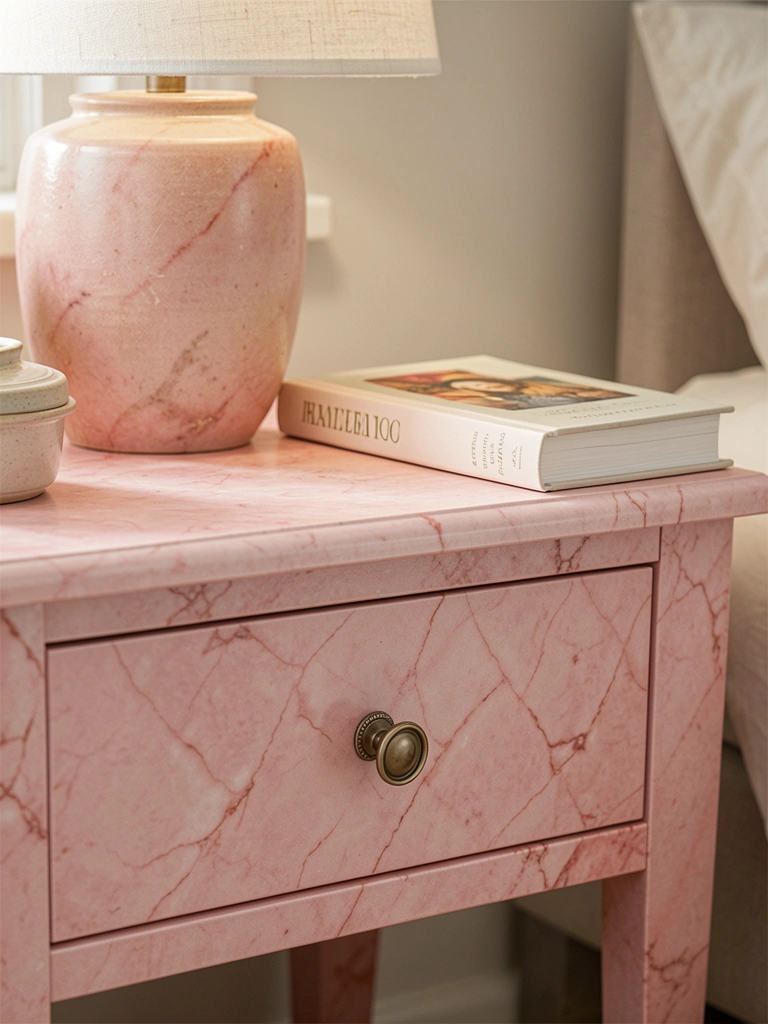
    I bought a 10-inch-deep console table when my hallway was 30 inches wide. It felt risky, but the hidden drawers became my favorite feature for sunglasses and dog leashes. The top stays tidy with a small tray for mail.

    My mistake was picking glossy paint—every scuff showed. I sanded and switched to a satin finish and it reads calmer.

    Watch drawer depth so it doesn’t block traffic. I push bulky items into one drawer and keep the other for daily essentials.

    What You’ll Need for This Look

    2. Floating Narrow Shelf for Keys and Mail

    I installed a 6-inch floating shelf to catch keys and daily mail. It’s low-profile but feels intentional. No bulk, just a tidy spot so nothing accumulates on the floor.

    At first I mounted it too low and bent over constantly. Moving it to hip height fixed the backache and made the shelf easier to use.

    Keep the shelf narrow and use a small bowl for loose items. It’s the easiest upgrade for tiny hallways that still looks finished.

    What You’ll Need for This Look

    3. Vertical Shoe Cubes Stacked Tight to the Wall

    I needed shoes off the floor but couldn’t fit a bench. A vertical stack of shoe cubes saved floor space and keeps sneakers visible. I use closed-front cubes for winter boots and open ones for everyday shoes.

    My first stack was wobbly because the cubes weren’t anchored. I learned to secure them to the wall—instant calm.

    Use slim cubes no deeper than 10 inches and try alternating open and closed faces for variety. It’s tidy and light on the eye.

    What You’ll Need for This Look

    4. Slim Bench With Under-Seat Baskets

    I finally gave my hallway a tiny bench. The under-seat baskets hold winter hats and scarves so they’re out of sight but easy to grab. Sitting down to take shoes off made mornings feel less rushed.

    My mistake was buying a bench with tiny legs that wobbled on uneven floors. Replacing with adjustable feet fixed it.

    Choose a bench no deeper than 12-14 inches and measure basket heights so they slide smoothly. Cushions add comfort without bulk.

    What You’ll Need for This Look

    5. Narrow Shoe Bench With Pull-Out Drawers

    When my hallway needed seating and shoe storage, I installed a bench with shallow pull-out drawers. Each drawer fits two pairs of flats or one pair of sneakers, which keeps the floor clear.

    I underestimated how often I’d open those drawers. They’re now the catch-all for lost gloves, which is fine—better than the floor.

    Make sure the drawer slides are smooth and shallow. Aim for drawers that are 6-8 inches tall so they don’t feel heavy.

    What You’ll Need for This Look

    6. Floating Narrow Mail Organizer With Peg Hooks

    My hallway used to be a postcard graveyard. I swapped a messy pile for a narrow wall-mounted mail organizer with peg hooks. The slots hold bills and invites; pegs are perfect for hats and reusable bags.

    I once chose bright paint and regretted it—busy color made everything look cluttered. I repainted in warm white and it settled the look.

    Keep slots shallow so mail doesn’t disappear. Add labels if you share the space; it keeps things honest.

    What You’ll Need for This Look

    7. Narrow Wall-Mounted Coat Rack With Shelf

    A slim coat rack with a top shelf replaced a bulky hall tree. The hooks hold my everyday jackets and the shelf stores rarely-used gloves and a portable umbrella.

    I installed it too high the first time and coats scraped the molding. Lowering it a few inches made everything hang naturally.

    Pick racks with slim shelves—about 6 inches deep—and add small baskets on top to hide mittens and masks. It reads purposeful, not cluttered.

    What You’ll Need for This Look

    8. Narrow Floating Bench With Shoe Rail Below

    I wanted seating without legs eating floor space, so I built a floating bench and a thin metal rail for shoes underneath. It feels airy and keeps shoes aligned.

    The trick: secure the bench into studs. My first attempt sagged because I didn’t use proper anchors. Fixing that made it solid.

    Keep the bench depth shallow and choose a rail height that fits the shoes you wear most. It looks minimalist but is very functional.

    What You’ll Need for This Look

    9. Built-In Recessed Shelving for Books and Trinkets

    When I could manage a small renovation, recessed shelves changed everything. They don’t stick into the hallway and they keep favorite books and objects visible without cluttering the floor.

    I overfilled one shelf at first and it felt heavy. Spacing items out gave the same personality but more calm.

    If you can’t recess, shallow floating shelves in the same color as the wall mimic the look. Keep shelves between 8 and 10 inches deep for balance.

    What You’ll Need for This Look

    10. Narrow Ladder Shelf for Baskets and Plants

    A slim ladder shelf is my easy-styled storage. Baskets hold kid art supplies, a plant softens the vertical line, and the lean keeps the footprint tiny.

    I once leaned it too steep and it felt unstable. Pulling it slightly away from the wall gives better balance.

    Use baskets that slide out easily and avoid heavy objects on top. The ladder reads decorative and useful.

    What You’ll Need for This Look

    11. Slim Hall Tree With Overhead Shelf

    A slim hall tree brought vertical storage without bulk. Hooks for jackets, an overhead shelf for hats, and a small base for an umbrella. It organizes without feeling heavy.

    I made the mistake of crowding too many hooks and coats overlapped. Spacing them out cured the messy silhouette.

    Pick a slim profile and consider wall-tethering it. It’s practical for shared entryways.

    What You’ll Need for This Look

    12. Slim Vertical Filing Cabinet for Papers

    Mail and paperwork used to pile on my console. A slim vertical filing cabinet gave me a home for warranties and receipts without taking walk space.

    I labeled folders too specifically at first and then couldn’t remember the labels. Simpler categories work much better.

    Aim for a cabinet no wider than 12 inches. It tucks beside furniture and keeps paper out of sight.

    What You’ll Need for This Look

    13. Slim Mirror With Narrow Shelf

    I added a narrow mirror with a tiny shelf to check my hair and stash a chapstick. It brightened the hallway and gave a surface for the last-minute items.

    I once picked a mirror with a wide frame that felt heavy. A thin frame keeps the focus on light and function.

    Pick a shelf that’s 3-4 inches deep—just enough for essentials. Anchoring is key so it doesn’t sway.

    What You’ll Need for This Look

    14. Magnetic Key Strip and Slim Tray Combo

    Keys were a daily scavenger hunt until I installed a magnetic strip and a slim tray beneath it. Keys hang neatly and the tray catches loose coins and receipts.

    I once bought a weak magnet and keys fell. Lesson learned: choose a strip with strong magnets and test with a heavy keyring.

    Mount at chest height so it’s usable for everyone. It’s inexpensive and totally practical.

    What You’ll Need for This Look

    15. Narrow Wall-Mounted Fold-Down Desk

    When I needed a tiny workspace, a fold-down desk in the hallway was perfect. It folds up when unused and offers a flat surface for quick tasks.

    I initially picked one with flimsy hinges; after replacing them with heavy-duty ones it became sturdy enough for daily use.

    Keep the desk narrow—12 to 16 inches—and add a slim stool that tucks away. It’s surprising how useful this small surface can be.

    What You’ll Need for This Look

    16. Slim Rolling Cart That Tucks Beside a Wall

    A slim rolling cart gave me flexible storage for craft supplies and extra household items. I roll it into a closet when guests arrive and pull it back out when I need it.

    I once bought a cart with cheap wheels that squeaked and stuck. Upgrading to rubber casters made it glide smoothly.

    Look for a cart under 12 inches wide with lockable wheels so it stays put when you want it to.

    What You’ll Need for This Look

    17. Narrow Wall Pockets for Mail and Glasses

    I hung fabric wall pockets vertically to hold mail, sunglasses, and a small notepad. They’re soft and don’t add visual bulk like a shelf would.

    In one spot I used pockets that were too deep; small items got lost. Switching to shallow pockets was an immediate fix.

    These are great for renters and they fold away when not needed. Label them for quick drops.

    What You’ll Need for This Look

    18. Slim Basket Row Along the Floor for Shoes

    I lined up low, flat baskets along the baseboard to keep casual shoes contained. They’re accessible and keep the runner visible.

    I once used baskets that were too tall and they blocked the skirting. Choosing flat baskets solved that and kept the flow smooth.

    Measure basket height to work with your skirting and pick shallow styles that slide neatly under furniture where possible.

    What You’ll Need for This Look

    19. Narrow Pegboard for Rotating Storage

    A painted pegboard became my rotating storage system for kids’ backpacks, small baskets, and art. It feels useful and tidy because I can move hooks as needed.

    I painted it in a high-gloss and it looked like a sticky notice board. Matte paint works much better for a lived-in look.

    Choose a pegboard about 12 inches wide and swap accessories seasonally. It’s flexible and forgiving.

    What You’ll Need for This Look

    20. Slim Floating Drawer for Sunglasses and Small Items

    I added a slim floating drawer under a wall shelf to hide small, easy-to-lose things like sunglasses and lip balm. It’s barely visible but so handy.

    I once made it too deep and the drawer stuck out. Keeping it shallow makes it feel integrated.

    Install it at a comfortable reach and use a soft-close slide if you can. Small luxury that makes life simpler.

    What You’ll Need for This Look

    21. Slim Hallway Coat Closet Add-Ons: Shelves and Baskets

    My hallway closet was a black hole until I added slim shelves and stackable baskets. Now accessories have a real home and the door closes without anything spilling out.

    I once stacked baskets too high and couldn’t reach the top one. I reorganized to keep daily items at eye level.

    Use baskets labeled for different seasons and keep heavy items at the bottom. Small changes inside a closet make the whole hallway calmer.

    What You’ll Need for This Look

    22. Narrow Overhead Rack for Seasonal Gear

    An overhead rack near the ceiling stores seasonal blankets and rarely-used gear. It frees lower storage for everyday items and keeps the hallway feeling open.

    I once overloaded mine and it bent slightly. Keeping lighter items up there solved the stress.

    Use labeled boxes so you don’t pull everything down searching for one thing. It’s simple attic-style storage without attic access.

    What You’ll Need for This Look

    23. Slim Vertical Bike Hook That Hangs Close to the Wall

    In a small city apartment I used a vertical bike hook to hang my bike in the hallway. It cleared the floor and made the space feel usable rather than cramped.

    I once mounted it too low and the bike scraped the baseboard. Raising the hook cured that.

    Make sure the hook is mounted to a stud and pick a slim design that keeps the bike parallel to the wall.

    What You’ll Need for This Look

    24. Narrow Floating Cabinets for Hidden Storage

    Floating cabinets mounted higher than eye level hide things I don’t use daily—seasonal decor and gadgets. They keep the line of sight clean and the hallway feels less busy.

    My first cabinets had visible hardware that looked dated. Switching to push-to-open doors gave a softer look.

    Keep them shallow (8-10 inches deep) and group in twos for a balanced composition. They read built-in without the work.

    What You’ll Need for This Look

    25. Slim Rolling Shoe Rack Behind a Door

    Behind a door I tucked a slim rolling shoe rack. It stores daily shoes without stealing hallway space and slides in and out easily.

    I once bought one that was too wide for my door swing. Measure door clearance before you buy.

    Choose a rack with thin shelves and lockable wheels for stability. It’s a clever use of hidden space.

    What You’ll Need for This Look

    26. Slim Built-In Bench With Cubby Storage

    A built-in bench with cubbies under the seat became my favorite hallway upgrade. It feels intentional and gives a home to shoes, bags, and small baskets.

    I rushed the paint job once and saw brush strokes. Sanding between coats made the finish feel professional.

    Custom depth matters—10-14 inches keeps it usable without pushing into the walkway.

    What You’ll Need for This Look

    27. Narrow Drawer Unit With Divider Trays

    A narrow drawer unit with dividers made the jumble of small items manageable. Each drawer has a purpose and opening one solves a lot of daily friction.

    I once used undevided drawers and items migrated into chaos. Dividers keep things visible and quick to find.
    Look for slim units that are 10-12 inches wide and buy divider trays that fit.

    What You’ll Need for This Look

    28. Gallery-Ledger Shelf for Mail, Keys, and Art

    A ledger shelf that runs along the hallway becomes a multifunctional zone: art, keys, and a daily mail stack. It creates a visual line and keeps clutter off the floor.

    I once filled it with too many frames and it looked crowded. Replacing half with open space made it feel curated.
    Aim for a shelf 3-4 inches deep and rotate art occasionally to keep the look fresh without adding bulk.

    What You’ll Need for This Look

    Final Thoughts

    You don’t need to do all of these. Pick one or two that match your rhythm and layout.

    I started small and built systems that actually stick. Measure, anchor, and keep things shallow.

    Small, intentional storage makes a narrow hallway feel like it belongs to the home, not a storage afterthought.

  • 22 Easy Entryway Hallway Makeover Ideas To Refresh Your Home

    22 Easy Entryway Hallway Makeover Ideas To Refresh Your Home

    I used to ignore my entryway. It was a dumping ground and a bad first impression.

    One day I swapped a bulb and moved a chair. The space felt calmer. Small changes made it usable and welcoming.

    These ideas are from real living — mistakes, returns, and lots of trial and error. You can do this, one simple change at a time.

    22 Easy Entryway Hallway Makeover Ideas To Refresh Your Home

    These 22 ideas are practical and lived-in. I tried each of them in real homes, not showrooms. Expect quick wins you can finish in an afternoon. Each idea tells you what I learned and what to buy so you leave feeling like the room belongs to you.

    1. Slim Console Table with a Hidden Drawer for Mail

    I rescued my hallway by swapping a clunky dresser for a slim console. The drawer hides incoming mail and receipts. It stopped the paper pile-up immediately.

    Visually, the narrow silhouette keeps traffic flowing. I learned to keep the top tidy — one tray, one lamp, one plant. Anything more looked messy in two days.

    If you have a narrow hall, pick depth over width. I once bought one too deep and it felt cramped. Measure before you buy.
    What You’ll Need for This Look

    2. Statement Round Mirror to Bounce Light

    I added a round mirror above the console and the hall felt twice as bright. It bounces light and gives you a last-minute check before you leave.

    My mistake: I bought a tiny mirror first. It looked lost. Bigger had immediate impact. Even a simple frame changes the mood.

    Hang it at eye level. If you have a light fixture nearby, angle to catch that glow. The mirror made my mornings less rushed.

    What You’ll Need for This Look

    3. Runner Rug Layered Over Practical Flooring

    A runner can disguise scuffs and guide the eye down the hall. I layered a neutral wool runner over tile, and the space finally felt intentional.

    I once picked a thin runner that slid. I added a non-slip pad and the problem vanished. The runner warmed up the echo, too.

    Choose a low-pile, durable fiber if you have kids or dogs. Pick a color that hides traffic stains. I prefer warm neutrals — they age well.

    What You’ll Need for This Look

    4. Bench with Shoe Storage and a Cushioned Seat

    I added a bench with shoe cubbies and the morning shuffle got smoother. People sit to tie shoes, and shoes disappear from the doorway.

    Lesson learned: cushions matter. My first thin pad was uncomfortable, so I swapped for a thicker foam seat. Comfort made the bench feel like part of the home.

    Look for a model that’s the right height for your family. Add woven baskets for a tidier look.

    What You’ll Need for This Look

    5. A Row of Hooks Instead of a Coat Rack

    I replaced a tall coat tree with a row of wall hooks. The wall felt neater and coats stayed off chairs.

    I initially spaced them too close. Spacing matters — leave room for bulkier jackets. Hooks at different heights work for kids and adults.

    Use sturdy hooks and anchor them into studs or use proper anchors. It’s an inexpensive fix with big payoff.

    What You’ll Need for This Look

    6. Gallery Wall of Small Frames for Personal Touch

    I made a gallery wall of small 8×10 frames and it stopped the blank-wall sadness. People linger when there’s personality.

    I made a layout mistake once — frames too high. I learned to start at eye level and work outward. Consistent spacing keeps it calm.

    Use a mix of photos and small artwork. Stick to two frame colors for cohesion. It makes the hallway feel lived-in and intentional.

    What You’ll Need for This Look

    7. Swapping a Harsh Overhead for a Soft Pendant

    I swapped a fluorescent fixture for a small pendant and the whole hall felt friendlier. Lighting sets the mood immediately.

    My first choice was too ornate for the scale. Smaller, simpler pendants worked better. Also, dimmable bulbs let me change the feel from morning to evening.

    Measure ceiling height and choose a pendant that sits high enough to avoid bumping heads. Good light makes clutter less obvious.

    What You’ll Need for This Look

    8. Narrow Shoe Cabinet That Keeps Shoes Out of Sight

    I bought a slim shoe cabinet that hides clutter. It’s a simple swap that makes the entry feel more spacious instantly.

    I underestimated depth once and couldn’t fit boots. Choose models with adjustable shelves or open bottom space for taller shoes.

    This is great if you want a cleaner look without a bench or baskets. It keeps floor-level chaos under control.

    What You’ll Need for This Look

    9. Add a Slim Console Lamp for Cozy Nights

    I placed a slim lamp on the console and the entryway stopped feeling like a corridor. Warm light makes it feel like part of the home.

    My mistake was choosing a lamp that was too tall — it blocked the mirror. Scale matters. Keep it low enough to see across the room.

    A lamp also gives you a soft alternative to bright overheads. I turn it on in the evenings and it changes the whole vibe.

    What You’ll Need for This Look

    10. Paint the Door a Bold Color for Instant Character

    I painted our front door a deep teal and the whole entry felt happier. It’s an easy statement that doesn’t cost much.

    I once chose a trendy bright red that clashed with trim. Test samples on the door at different times of day. Lighting shifts the color dramatically.

    A painted door signals personality and makes the hallway feel intentional before you even step inside.

    What You’ll Need for This Look

    11. Small Gallery Shelf for Rotating Decor

    I put a slim gallery shelf up and started rotating small objects and photos. It keeps the wall interesting without commitment.

    I once hung heavy canvases on a narrow shelf and it sagged. Use anchors and keep objects light. Rotation keeps the space feeling fresh.

    This is perfect if you like switching decor seasonally. It’s easy to swap frames and small vases without rehanging anything.

    What You’ll Need for This Look

    12. Wall-Mounted Mail Organizer to Tame Papers

    A wall-mounted mail organizer ended our kitchen counter chaos. Mail goes in one slot and I process it weekly.

    My first organizer was plastic and warped. Metal or wood feels sturdier. Label the slots: bills, kids, action. It saves time.

    It’s a small plug-and-play fix that reduces visual clutter and keeps important papers from getting lost.

    What You’ll Need for This Look

    13. Woven Baskets for Seasonal Hats and Scarves

    I started using baskets under the bench for hats and scarves. It’s an easy way to tuck away seasonal extras.

    At first I bought mismatched baskets that looked chaotic. Matching textures tied the look together. Label the baskets if everyone grabs their own.

    Baskets are forgiving. They hide the mess while still feeling natural in the space.

    What You’ll Need for This Look

    14. Add a Slim Coat Closet Upgrade with Hooks and Shelf

    I reorganized a small coat closet with extra hooks and a top shelf. It doubled capacity without custom work.

    I once forgot to add a hook for umbrellas and they were always on the floor. Think through daily routines when planning positions.

    A few hooks, a shelf, and baskets turn a shallow closet into practical storage. It’s low-cost and very useful.

    What You’ll Need for This Look

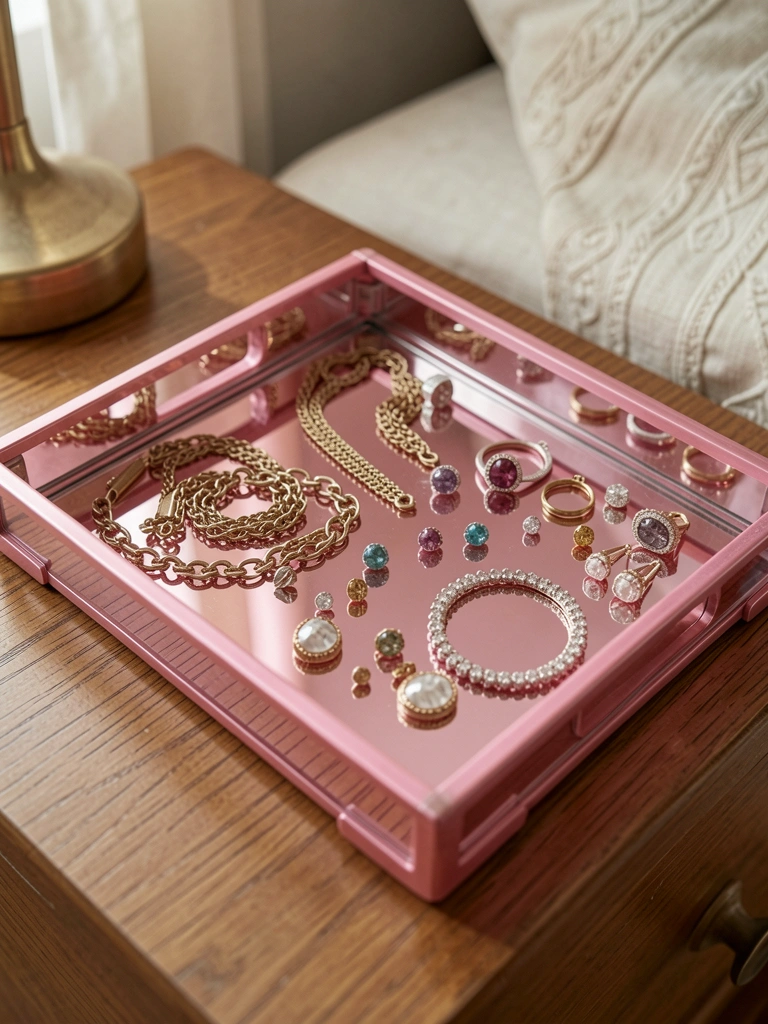
    15. Decorative Tray for Keys, Wallets, and Sunglasses

    A simple tray on the console solved the “where are my keys?” drama at my house. Everything gets dropped in one spot.

    I once used a shallow dish that spilled. A slightly raised tray keeps things corralled. Choose a material you can wipe clean.

    It’s a tiny addition but it saves time every morning. Keep it near the door and empty it weekly.

    What You’ll Need for This Look

    16. Add a Small Indoor Plant for Life

    I added a hardy pothos to my entry and the space felt friendlier. Plants make the area feel alive, even small ones.

    I once picked a plant that needed too much sun and it sulked. Choose low-light, low-maintenance species for hallways. Artificial plants are okay if you travel.

    A small pot of green is inexpensive and improves the welcome instantly.

    What You’ll Need for This Look

    17. Swap Door Hardware for Cohesive Details

    I swapped tarnished knobs for a simple brass set and the entry instantly looked pulled together. Small details matter.

    I once matched finishes poorly between door and light fixtures. Try to keep finishes consistent. It makes the space feel thought-through.

    New hardware is an inexpensive refresh that reads like quality.

    What You’ll Need for This Look

    18. Narrow Wall Sconce for Dramatic Vertical Light

    I installed a pair of narrow sconces and the hallway felt more architectural. Vertical light emphasizes height.

    At first I picked bulbs that were too bright. Swap for warmer, lower-lumen bulbs for a softer effect. Dimmers help here too.

    Sconces add interest without taking floor space. They’re dramatic in a simple way.

    What You’ll Need for This Look

    19. Chalkboard Wall for Notes and Reminders

    I painted a small section with chalkboard paint near the door. It became our family message center overnight.

    My rookie move was painting too big a section; it felt heavy. Keep it small and framed with trim. Chalk markers work better for crisp writing.

    It’s practical and playful. Kids love it and it keeps reminders in one place.

    What You’ll Need for This Look

    20. Layer a Runner with a Narrow Absorbent Mat for Wet Shoes

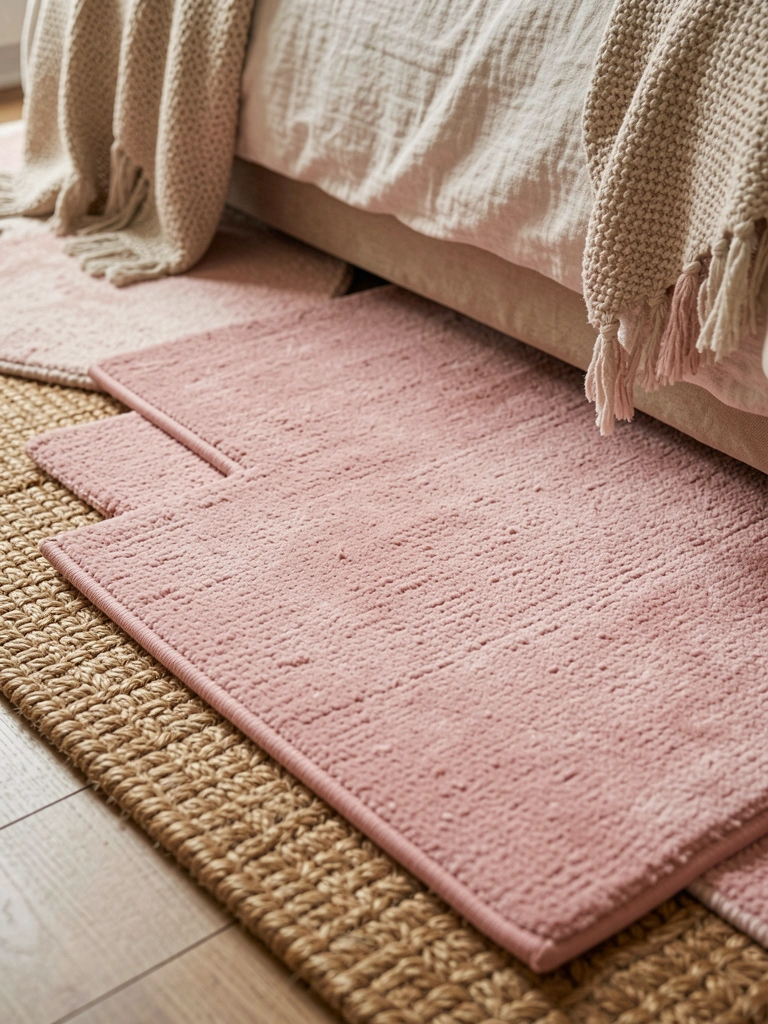
    I started layering a small absorbent mat at the door over my runner. It caught melting snow and kept the runner dry.

    I made the mistake of placing the mat on top of the runner without a non-slip layer — it slid. Use a pad under both rugs for safety.

    This combo keeps both style and functionality. You protect the rug and keep footprints contained.

    What You’ll Need for This Look

    21. Narrow Floating Shelf with Key Bowl and Small Plant

    I hung a narrow floating shelf at eye level and kept a key bowl and tiny plant on it. It’s low-profile and useful.

    I once cluttered the shelf with mail. Now I reserve it for essentials only. Less is better on small surfaces.

    The shelf gives you a landing spot that feels intentional and keeps counters clear.

    What You’ll Need for This Look

    22. Seasonal Swap Box for Quick Decor Rotation

    I keep a labeled box under the bench for seasonal decor — wreaths, small pillows, and doormats. Swapping items is painless with a box ready.

    At first I stored items in random places and never changed them. Having them together made seasonal refreshes actually happen.

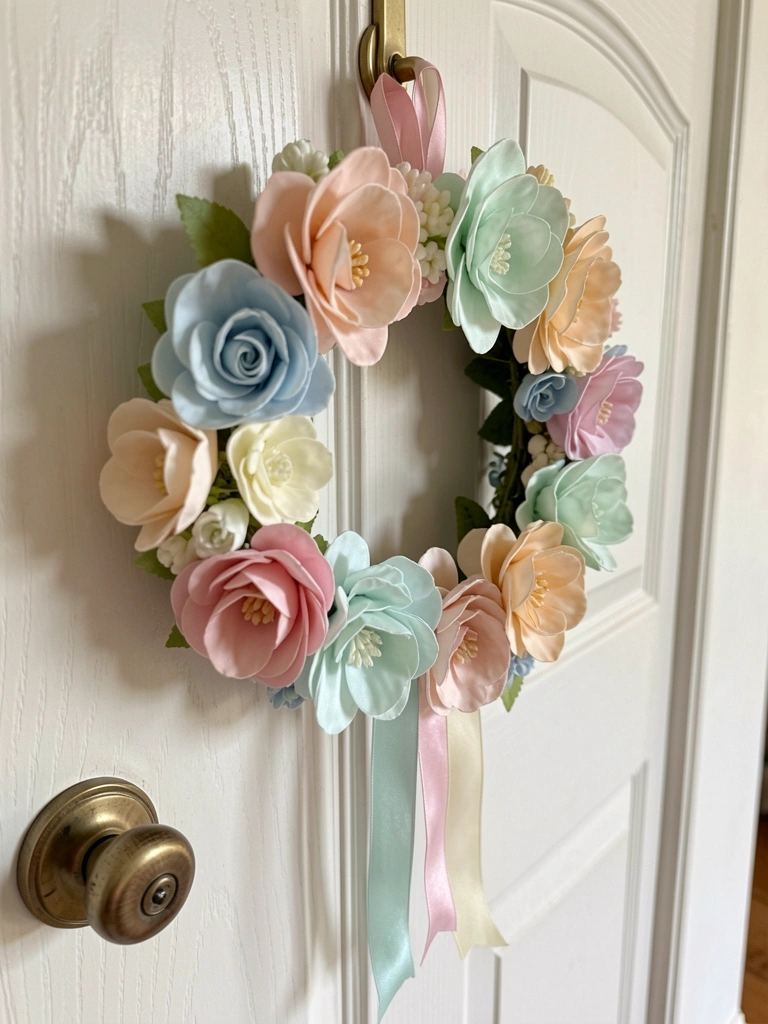
    This approach keeps the entry feeling current without a big decorating day. Swap one pillow or a wreath and the whole space shifts.

    What You’ll Need for This Look

    Final Thoughts

    You don’t have to do everything. Pick one idea that feels doable today.

    Small edits add up. I’ve made mistakes, but each taught me what lasts.

    Start with one practical buy and live with it for a week. You’ll know the next step.

  • 27 Creative Hallway Wall Art Inspiration To Elevate Your Decor

    27 Creative Hallway Wall Art Inspiration To Elevate Your Decor

    I used to ignore my hallway because it felt like a pass-through, not a place worth fuss. Then I started treating it like the first hello your home gives visitors. Small changes made it feel intentional and calm.

    These ideas are the ones that stuck. I mixed mistakes and wins so you won’t have to learn them the hard way.

    You don’t need to do them all. Pick a couple that fit your light and pace, and let the rest grow over time.

    27 Creative Hallway Wall Art Inspiration To Elevate Your Decor

    These 27 ideas are small, lived-in ways to make a hallway feel purposeful and cozy. I include practical notes, the things I actually bought, and the exact pieces you’ll need. Use as many as you want—there’s one for tight, dark, and busy hallways alike.

    1. Slim Gallery Wall That Reads From the Door

    I started with a few same-size frames and finally stopped moving them every week. Keeping the frames slim and a single row made the hallway feel intentional, not cluttered. The photos read as you walk by instead of demanding attention.

    My mistake: I hung them too high at first—eye level for me, not for the average eye-line. Drop them about 4–6 inches lower.

    What You’ll Need for This Look

    2. One Oversized Art Piece as an Anchor

    I traded five small frames for a single large canvas. The hallway stopped feeling busy and suddenly had a center. Large art simplifies decision fatigue and makes the space feel calm.

    I learned to choose proportion over perfection—something slightly taller than the console looks purposeful. Don’t pick the brightest piece in the house; keep it mellow for narrow spaces.

    What You’ll Need for This Look

    3. Layered Ledges with Rotating Prints

    I installed two narrow ledges and made swapping art a habit. Rotating prints keeps the hallway fresh and forgives imperfect color choices because they’re easy to change.

    My insight: use lighter frames and mix art heights. It reads casual rather than staged.

    What You’ll Need for This Look

    4. Vintage Mirrors to Bounce Light

    I learned mirrors are the fastest way to brighten a dim corridor. I started with one oblong and added a round mirror later. The reflections make the hallway feel wider, not show-offy.

    Be careful: too many reflective pieces amplify mess. Keep one or two, and pair with a small table for keys.

    What You’ll Need for This Look

    5. Textured Wall Hangings for Soft Contrast

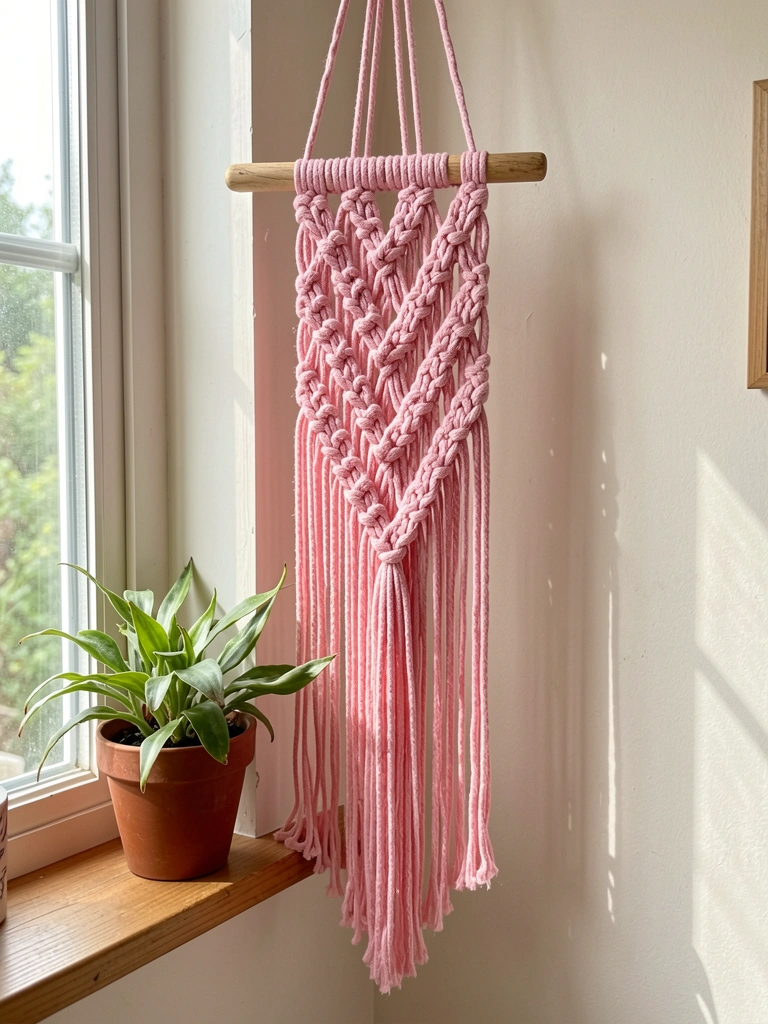
    I added a medium-sized macramé and suddenly the hallway felt like part of the home, not an afterthought. The texture gives visual interest without taking up floor space.

    I once bought one too small and it disappeared against the wall. Go a size up for narrow halls.

    What You’ll Need for This Look

    6. Slim Console with Framed Art Stacked

    I bought a slim console that fits flush against the wall and stacked two frames on it. It feels layered and personal without drilling endless holes. The console gives a landing spot for things I drop.

    My mistake: I picked a deep console first; it narrowed the walking path. Slim wins in hallways.

    What You’ll Need for This Look

    7. Botanical Prints in a Vertical Trio

    I love a simple vertical trio of botanical prints. They bring a bit of nature inside without the upkeep of plants. The vertical arrangement draws the eye up and helps ceilings feel taller.

    I once mixed wildly different frame finishes; the trio reads best when finishes are consistent.

    What You’ll Need for This Look

    8. Monochrome Photo Strip That Tells a Story

    I printed a row of old family photos in black and white and framed them uniformly. It feels intimate and chronological—like a tiny museum of our life. It’s especially good where color would clash with rugs or paint.

    My insight: converting to monochrome hides mismatched colors and unifies the collection.

    What You’ll Need for This Look

    9. A Row of Sculptural Hooks as Art

    I installed sculptural hooks and treated them like art. They’re practical and look good with a couple of hats or a canvas tote. It keeps things off the floor and gives a lived-in look.

    My mistake was overloading them with heavy coats. Use them for decorative items and light bags only.

    What You’ll Need for This Look

    10. Framed Textile Panels for Color Without Commitment

    I framed a few leftover fabric swatches to add color and texture without repainting. It felt like art that came from my couch cushions. It’s a non-permanent way to bring pattern into narrow spaces.

    I learned to mount fabric taut; loose fabric looks sloppy. Use acid-free backing to keep it fresh.

    What You’ll Need for This Look

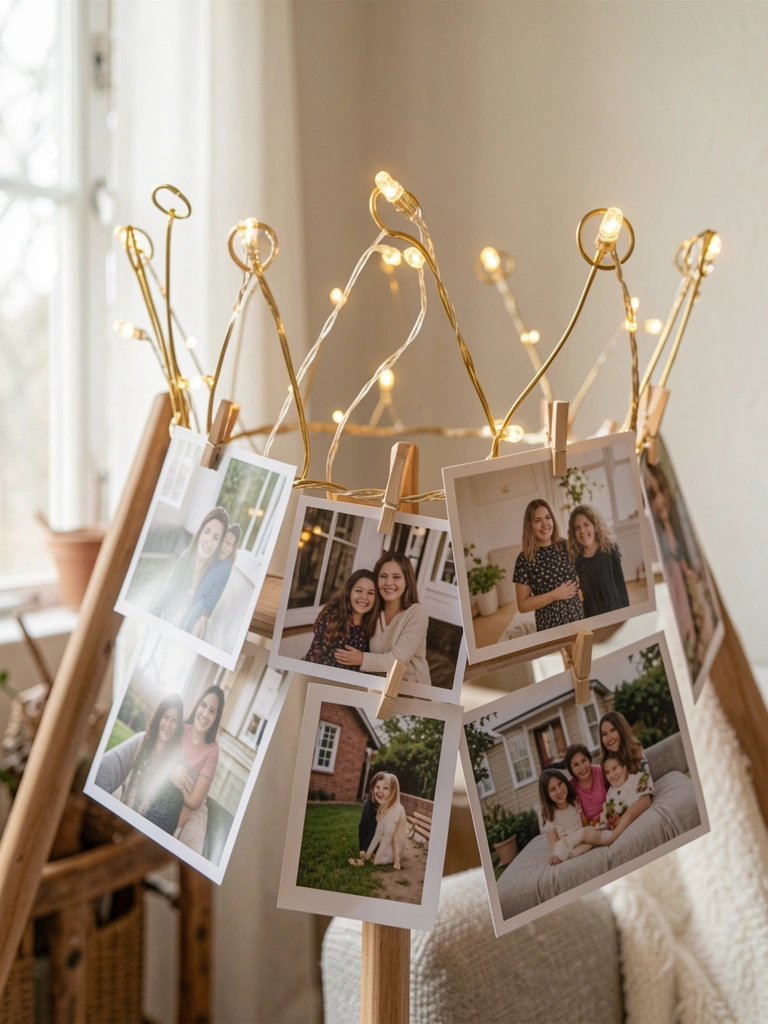
    11. Small Rotating Gallery for Kids’ Art

    I made a rotating kid-art gallery that lives in our hallway. It’s forgiving and changes constantly. Clips mean no frames and no guilt about throwing something away.

    I tried frames first and felt bad replacing them; clips are kinder and faster.

    What You’ll Need for This Look

    12. Backlit Frame for Evening Drama

    I installed a backlit frame and suddenly the hallway felt intentional at night. The soft halo makes a single piece of art feel sculptural.

    It’s worth testing the color temperature; cool LEDs read harsh. I switched to warm and it changed everything.

    What You’ll Need for This Look

    13. Plate Gallery for Texture and Pattern

    I hung a collection of plates I picked up on trips. They’re tactile and add color without needing frames. The curve of plates softens the straight hallway lines.

    Pro tip: use plate hangers that grip gently; one plate slid off when I used cheap wire hangers. Lesson learned.

    What You’ll Need for This Look

    14. Framed Maps Showing Where You’ve Been

    I framed a few maps of places that mattered to us. It’s a conversation starter and feels personal rather than decorative fluff.

    Small mistake: I mixed modern and vintage maps. Keep the style consistent for the best read.

    What You’ll Need for This Look

    15. Minimalist Line Art Triptych

    I hung three simple line drawings in a row and the hallway felt modern but warm. Minimalist art is forgiving—small smudges or scuffs don’t distract.

    I once chose prints that were too tiny for the wall. Make each piece breathe; spacing matters.

    What You’ll Need for This Look

    16. Curated Shelf with Small Sculptures

    I swapped framed art for a narrow shelf with small sculptures and ceramics. It reads like a mini collection and invites a closer look.

    My insight: rotate pieces seasonally. It keeps the shelf intentional and prevents dust build-up.

    What You’ll Need for This Look

    17. Framed Pressed Flowers for a Gentle Touch

    I pressed a few flowers and framed them. It’s quiet and personal. The pieces feel like heirlooms and don’t demand attention.

    My mistake was using non-archival materials; the petals discolored. Use archival backing to keep them lasting.

    What You’ll Need for This Look

    18. Sconce-Lit Portraits for Warmth

    I added two small sconces flanking a portrait. The warm light makes the hallway feel welcoming at night—not gallery-bright but cozy.

    Be mindful of scale; oversized sconces overwhelm a narrow passage. Choose slim profiles.

    What You’ll Need for This Look

    19. Shadow Boxes for Travel Keepsakes

    I started framing small travel mementos in shadow boxes. They’re personal and create depth without crowding. Each box tells a tiny story.

    My insight: label the backs with dates. Otherwise I forget where things are from.

    What You’ll Need for This Look

    20. Black Frame Grid for a Clean Modern Look

    I did a tidy 3×3 frame grid and it made the hallway feel organized and modern. Uniform spacing gives a clean graphic impact without being cold.

    Small mistake: I didn’t measure, and one row was off. Measure twice—hang once.

    What You’ll Need for This Look

    21. Painted Art Nook with a Bolder Background

    I painted a small section of wall behind a piece of art a deeper color. The contrast made the single piece read intentionally and added depth.

    I learned to test a swatch—some shades read different in narrow light. Always try before you commit.

    What You’ll Need for This Look

    22. Woven Basket Frames for Organic Shape

    I hung a cluster of flat woven baskets. They bring warmth and an organic rhythm that softens straight lines.

    A lesson: lightweight natural pieces need secure anchors; one slipped when I used the wrong hook.

    What You’ll Need for This Look

    23. Typography Prints That Say Something Small

    I picked a few small typographic prints with short, personal words. They feel like tiny signposts and don’t scream for attention—just a small human note as you pass.

    My insight: choose phrases that actually mean something to you. Generic slogans read hollow.

    What You’ll Need for This Look

    24. Minimal Floating Sculpture for Negative Space

    I mounted a small floating sculpture and loved the quiet it created. It gives the wall personality without busying the space.

    I tried a statement piece first and it overwhelmed the corridor. Small scale is the secret for narrow halls.

    What You’ll Need for This Look

    25. Chalkboard or Painted Board for Notes & Art

    I installed a narrow chalkboard for notes and seasonal doodles. It’s practical and becomes part of daily life—no fuss.

    My mistake: writing too small. Use big, bold strokes so it reads from the other end of the hall.

    What You’ll Need for This Look

    26. Hanging Planters with Sculptural Greenery

    I hung a couple of small planters near the ceiling. They bring life and movement without cluttering the floor. A trailing plant softens the vertical space.

    Be honest about light: I killed one fern in a dark corridor. Pick low-light plants for low-light halls.

    What You’ll Need for This Look

    27. Small Vintage Frame Mix for Collected-Over-Time Vibe

    I collected odd vintage frames over months and finally grouped them. It looks soulful because each piece has a history. The mix of finishes reads intentional when balanced with spacing.

    I once bought all glossy frames and it looked store-bought. A bit of patina makes it feel like home.

    What You’ll Need for This Look

    Final Thoughts

    You don’t need to try every idea. Start with one small change that fits your light and traffic.

    Make it personal, keep it practical, and let the hallway do a little bit of the talking for your home.

  • How To Organize A Small Hallway For Maximum Function And Style

    How To Organize A Small Hallway For Maximum Function And Style

    I always trip over the same pile of shoes by the door.
    The narrow hall looks like an afterthought. I can't stand an empty wall.

    I want it to feel useful and intentional, not cluttered or staged.
    Small changes—placement, texture, scale—fix it. I'll show you how I make a small hallway work and look calm.

    How To Organize A Small Hallway For Maximum Function And Style

    This will show you how to make a tight hallway feel useful and calm. I focus on the look you end up with: a clear path, a neat landing for keys, and a balanced visual flow. It’s achievable in an afternoon with a few simple pieces and choices.

    What This Solves

    It stops shoes, coats, and mail from taking over the first few feet of your home.
    It turns wasted wall space into a useful pause between rooms.

    You get a warmer first impression and a real place to drop what you carry in. That one change makes the whole house feel steadier.

    What You’ll Need

    Step 1: Anchor the path with a runner rug

    I start by placing a runner to define the walkway. The rug creates an immediate path so your eye travels down the hall. That single change makes the space feel intentional instead of random.

    Visually, the rug tucks the floor together and hides scuffed areas. People often miss scale here: a runner that’s too narrow looks lost. The mistake to avoid is pushing it against the baseboards; leave a little floor edge so the rug reads as deliberate, not pasted on.

    Step 2: Add a slim console to create a landing

    I put a narrow console along the longest wall to create a landing. It gives a place to set keys and mail without crowding the entry. A slim table keeps the walkway open and reads calm.

    The visual change is immediate: the wall stops feeling wasted. Most people underestimate depth. Don’t choose a deep table that blocks movement. Also avoid too much clutter on top—one tray, one small lamp or plant keeps it purposeful, not piled.

    Step 3: Hang a vertical mirror to add light and depth

    I hang a vertical mirror above the console to bounce light and make the hall feel taller. The mirror turns a narrow space into something visually larger and friendlier.

    You’ll notice more light and a taller feel right away. A common miss is placing the mirror too high—set it so the average person can see themselves. Avoid decorative frames that overpower the space; keep the frame slim so the mirror reads as an extension of the wall.

    Step 4: Install practical hooks and a shelf for grab-and-go

    I add a rail of hooks at shoulder height and a floating shelf above. Hooks keep daily coats and bags off the floor. The shelf gives a spot for a small plant or an outgoing-mail pile.

    The hall suddenly feels organized and used. Many people forget to balance height: hooks too low or shelf too deep feels clumsy. Avoid overloading the hooks; keep three to five items maximum so it reads neat instead of chaotic.

    Step 5: Tame the base with baskets and a catchall

    I tuck a woven basket under the console for shoes and use a small ceramic tray for keys and change. The basket hides clutter and the tray keeps small items from spreading out.

    Visually, the floor looks cleaner and the console top feels purposeful. People often skip the basket and end up with shoes scattered. Don’t pick a basket too small; it should swallow at least several pairs. And avoid piling items on the console—keep the tray as the only regular catch-all.

    Quick Styling Fixes

    I use a small lamp or slim wall sconce if the hall feels dim. A low, warm light makes it welcoming in the evening.
    A single small artwork or a stack of tidy frames helps the eye move without clutter.

    Bullets I rely on:

    • One plant for texture (real or faux).
    • A folded throw on the console for softness.
    • Rotate the runner if one end wears faster.

    Lighting and Scale

    I check scale by standing in the center and looking; if something blocks the sightline it’s too big. Lamps should be proportionate to the console—small but visible.
    If your hall has low ceilings, vertical mirrors and narrow furniture keep things feeling taller without making them look cramped.

    Daily Habits to Keep It Working

    I put shoes in the basket each evening and hang coats as I come in. These small habits keep the intentional look.
    Once a week I clear the console surface and deal with mail. It takes minutes but keeps the hall calm and useful.

    Final Thoughts

    Start with one change—usually the rug or a console—and live with it for a week.
    Small adjustments teach you what the space needs. You’ll get confidence fast.

    A tidy, purposeful hallway doesn’t require perfect styling. It just needs consistent choices that make coming and going easier.

  • How To Decorate A Narrow Hallway To Make It Look Wider And Brighter

    How To Decorate A Narrow Hallway To Make It Look Wider And Brighter

    I used to hate our entry hallway. It squeezed in my bag and coat.

    It felt narrow and dark. We never lingered there.

    I swapped heavy art for slim pieces and chose a light runner. I leaned on mirrors and trim to borrow light.

    Now the hallway feels wider, brighter, and intentional every day.

    How To Decorate A Narrow Hallway To Make It Look Wider And Brighter

    You’ll learn how to make a tight hallway read as light and airy without a major renovation. I’ll show you how to place mirrors, choose scale, and layer light so the space reads wider and calmer. It’s practical and repeatable in most homes.

    What You’ll Need

    Step 1: Edit the clutter and set the scale

    I start by removing everything that makes the hallway feel heavy. I keep one slim console or just a narrow ledge, a tray for keys, and two low baskets under the console. Visually, clearing the floor and limiting furniture lets the sightline run.

    People often miss that small, tall piles read as clutter from a distance. Avoid a wide or deep table that blocks the visual pathway — anything wider than 24 inches will make the space feel tighter.

    Step 2: Choose a lighter color flow

    I use a pale, warm paint or borrow the tone from an adjacent room to create continuity. Lighter walls bounce daylight and reduce the corridor feel. I keep trim a close tone or a bright white to make the edges read crisp rather than heavy.

    Most people overcomplicate with contrasting dark trims. The insight: a subtle, continuous palette lets light move along the length. Mistake to avoid: painting one end dramatically darker — it will act like a visual stop and make the hallway feel shorter.

    Step 3: Add mirrors and reflective pieces to borrow depth

    I hang a single large round mirror or a slim, tall one across from a light source. Mirrors double the apparent depth and read as open space if placed thoughtfully. I balance the mirror with a small console below or a ledge to avoid a floating glare.

    People often scatter many small mirrors; that fragments the reflection. One well-placed mirror is better. Don't hang the mirror too high — it should reflect something bright, not floor or ceiling, to feel effective.

    Step 4: Layer light — overhead, wall, and table

    I layer light so the hallway reads intentional at any hour. I prefer a pair of plug-in wall sconces flanking the mirror and a small ceramic lamp on a console for extra glow. Warm bulbs keep the space feeling comfortable.

    An insight I learned: even soft shadow is okay — it adds depth. The mistake to avoid is relying on one overhead fixture alone. That creates flat light and emphasizes narrowness.

    Step 5: Ground the walkway with a slim runner and proper pad

    I pick a low-pile runner in a light, narrow pattern aligned with the hallway’s length. I always use a thin rug pad to prevent movement and to add just enough footprint so the runner sits flat. A subtle linear pattern pulls the eye forward and makes the space feel longer.

    Most people grab a heavy, wide rug. That shortens the visual path. Avoid chunky, high-pile options that make the corridor feel boxed in.

    Step 6: Style vertically and keep editing often

    I use a narrow picture ledge to display a small rotation of frames leaning rather than hung. I keep artwork vertical and slim to draw the eye up and maintain airiness. Baskets beneath the console hold shoes and umbrellas tucked out of sight.

    People forget to edit: less is more in a hallway. Don’t overcrowd the ledge with many frames — a thoughtful few keep the flow calm.

    Lighting tips for narrow spaces

    Good lighting balances direction and softness. Place fixtures to avoid casting long, harsh shadows across the length. A mix of wall sconces and a small table lamp offers that layered glow I look for.

    If wiring is limited, plug-in sconces work well. Stick to warm bulbs (2700–3000K) and dimmable options when possible to soften evenings.

    Choosing patterns and scale

    Choose patterns that run lengthwise or are small in scale. Thin stripes or subtle linear motifs pull the eye forward. Keep contrasts low so patterns read light, not heavy.

    Scale matters: art, mirrors, and furniture should be narrow and tall rather than wide. Think vertical rhythm over horizontal weight.

    Quick editing checklist

    • Remove bulky furniture and replace with slim console or ledge.
    • Keep color flow with adjacent rooms.
    • Place one mirror to borrow light.
    • Use a runner, pad, and low piles only.
    • Add two sconces or a lamp for layered light.

    Final Thoughts

    Start with one change — a mirror or a new runner. Small edits let you test the feel before committing.

    You don’t need perfect styling. Keep editing and live with the choices for a week to see what feels right. The hallway should invite you through, not through with you.